Is Biltong Healthy? What to Know
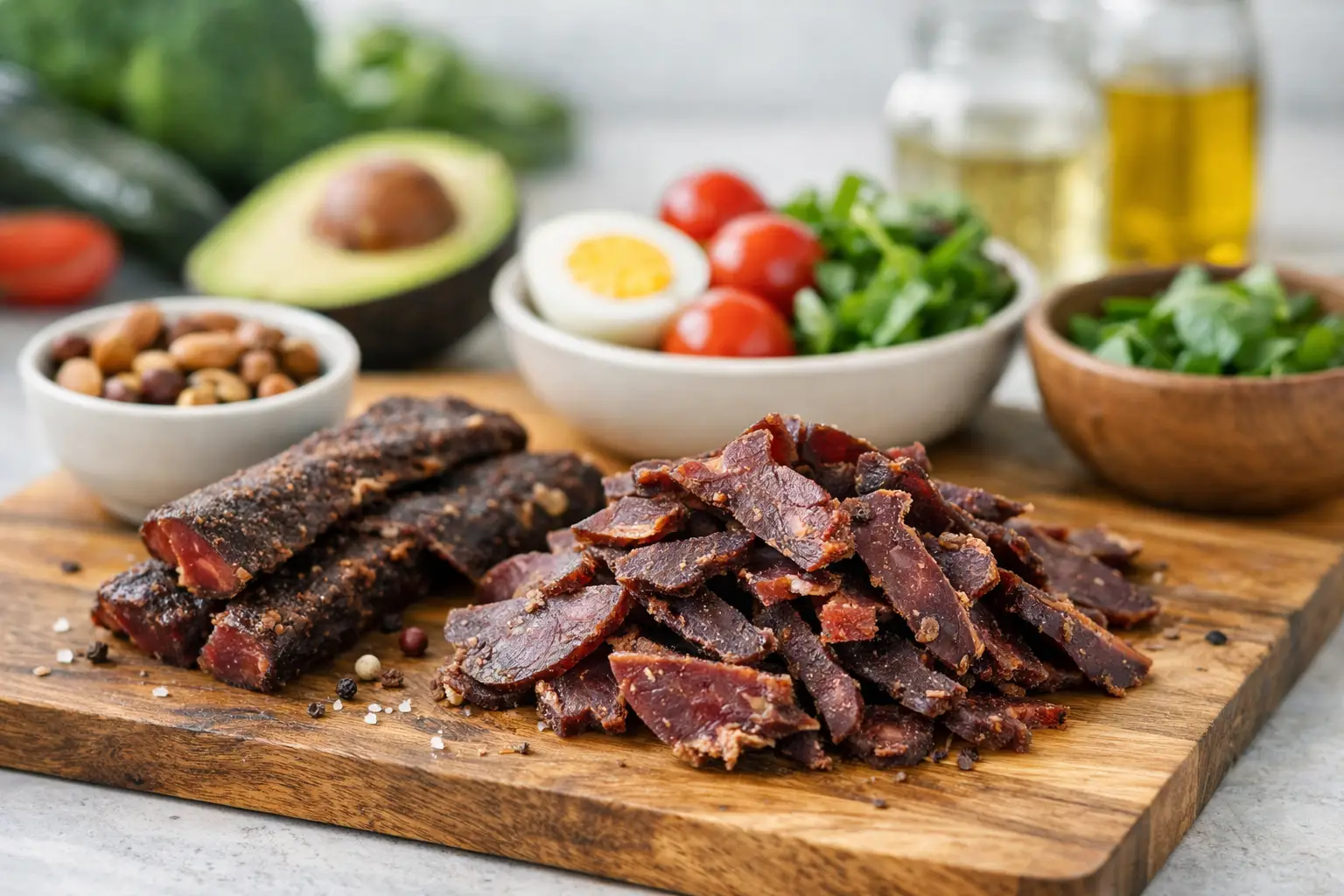
You can tell a lot about a snack by what happens after you eat it. Some leave you chasing another packet 20 minutes later. Others actually do the job. If you’ve ever wondered is biltong healthy, the short answer is yes - often more so than many standard savoury snacks - but it depends on how it’s made, what goes into it, and how much you’re eating.
That’s the real story with biltong. It’s not health food by default, and it’s not rubbish food either. Proper biltong sits in a much more useful middle ground: high in protein, generally low in carbs, and deeply satisfying when made from quality cuts with straightforward seasoning. For plenty of Australians looking for a better snack, that makes it a strong option.
Is biltong healthy compared with other snacks?
Against chips, lollies, crackers and many supermarket snack bars, biltong usually comes out well. The main reason is simple: it’s meat, not filler. A good biltong product delivers protein in a concentrated form, which tends to help with fullness and makes mindless snacking less likely.
It also tends to be lower in sugar than many jerky products. That matters more than people think. Plenty of packaged snacks - even the ones marketed as high protein - rely on added sugars, starches or syrups to improve texture and shelf appeal. Traditional biltong doesn’t need much of that. It leans on meat, vinegar, salt and spices for flavour.
Compared with heavily processed savoury snacks, that’s a solid nutritional advantage. Compared with fresh whole foods like eggs, Greek yoghurt or lean cooked meat, the answer is more mixed. Biltong is convenient and nutrient-dense, but it can be higher in sodium and, depending on the cut, higher in fat too.
What makes biltong a healthy option?
The biggest strength of biltong is protein. Protein helps support muscle maintenance, satiety and recovery, which is one reason active people often reach for dried meat snacks instead of carb-heavy alternatives. If you’re trying to stay fuller between meals or avoid the 3 pm vending machine regret, protein matters.
Biltong is also usually low in carbohydrates. For people watching sugar intake or following a lower-carb eating style, that can be a genuine plus. You get flavour and substance without the blood sugar rollercoaster that comes with many sweet or refined snacks.
Then there’s the ingredient side. Traditional biltong is known for its simplicity. When it’s made properly, you’re looking at a relatively short ingredient list rather than a chemistry set. That doesn’t automatically make every pack healthy, but it does make it easier to judge quality at a glance.
Another advantage is portion efficiency. Because biltong is air-dried, a small amount can feel surprisingly satisfying. You’re not eating puffed air and flavour dust. You’re eating concentrated, seasoned meat with real chew and substance. That tends to slow people down and make the snack feel more worthwhile.
Where biltong can be less healthy
This is where a bit of honesty helps. Biltong can be healthy, but it’s not a free-for-all snack.
Sodium is the first trade-off. Salt plays a practical role in drying and preserving meat, and it’s part of the flavour profile people love. But if you’re watching blood pressure or already eating a lot of salty foods, it’s worth checking the nutrition panel. Some products are moderate. Others can creep up quickly.
Fat is the second factor. Some biltong is made from leaner cuts, while other styles intentionally keep more fat for richness and that classic South African eating experience. Neither is automatically better. It depends on your goals. If you want a lean, high-protein snack, choose accordingly. If you love a fattier cut, just be aware it carries more kilojoules.
The third issue is additives. Not all dried meat is created equal. Some products use more sugar, preservatives or flavour enhancers than others. Once a snack starts leaning too far into sweet marinades or overly processed formulations, the health halo fades pretty fast.
Is biltong healthier than jerky?
People often lump the two together, but they’re not quite the same thing. Jerky is typically marinated and cooked with a flavour profile that can include sugar, soy-based ingredients and smoke flavouring. Biltong is traditionally air-dried and seasoned more simply, often with vinegar, salt, coriander and pepper.
That difference can matter nutritionally. Biltong often has less sugar and a more straightforward ingredient list, which gives it an edge for many snackers. It also tends to have a softer bite and more natural meat texture, which many people find more satisfying.
That said, jerky is a broad category, and some jerky products are very clean. Likewise, some biltong products are better than others. The healthier choice comes down to the actual ingredients, sodium level, cut of meat and portion size - not just the label on the bag.
How to tell if your biltong is actually a good choice
If you’re standing there wondering whether the packet in your hand is a quality snack or just clever packaging, look at four things: protein, sugar, sodium and ingredients.
Higher protein is usually a good sign, especially when it comes without much sugar. Lower sugar matters because dried meat doesn’t need to be sweet to taste good. Sodium should be sensible for your diet, not ignored. And the ingredient list should read like food, not a science project.
The cut and style matter too. Lean biltong suits people chasing a cleaner macro profile. Traditional fattier biltong delivers serious flavour and can still fit well in a balanced diet, especially if the rest of your meals are fairly whole and well rounded.
There’s also the matter of how it fits your day. Biltong as a quick work snack, post-training bite, road trip staple or savoury option between meals makes plenty of sense. Biltong as an all-day handful habit while sitting at your desk can push the salt and kilojoules up without you noticing.
Is biltong healthy for weight loss?
It can be. In fact, biltong often works well for people trying to manage appetite because protein helps you feel fuller than many carb-heavy snacks. A small serve can genuinely take the edge off hunger, which is useful when you’re trying not to raid the pantry later.
But the answer still depends on quantity and style. If you’re choosing a leaner biltong and eating a sensible portion, it can fit very comfortably into a calorie-controlled plan. If you’re smashing through a large bag of fatty biltong while calling it a health snack, the maths changes.
Weight loss usually isn’t about one food being good or bad. It’s about whether that food helps you stay satisfied and consistent. Biltong often does that better than crackers, biscuits or muesli bars pretending to be virtuous.
Who should be more careful with biltong?
For most healthy adults, biltong can be part of a balanced diet. But some people should pay closer attention. Anyone on a low-sodium eating plan, managing high blood pressure, or advised to limit processed meats should read labels carefully and speak with a health professional if needed.
Parents may also want to think about texture and salt levels before giving it to young kids. And if you’re sensitive to particular preservatives or spice blends, ingredients matter.
None of this means biltong is off the table. It just means context matters. A premium dried meat snack can be a smart choice, but smart still starts with knowing what you’re buying.
Why quality matters more than hype
This is probably the most useful takeaway. When people ask is biltong healthy, they’re often really asking whether it’s better than the average snack they’d otherwise eat. If the biltong is handcrafted from quality meat, seasoned properly and not loaded with unnecessary extras, the answer is often yes.
That’s why traditional preparation still counts for something. It’s not just heritage for the sake of heritage. Simpler methods and better ingredients usually lead to a better product - one that tastes more like meat, feels more satisfying, and doesn’t rely on sugar and gimmicks to win you over.
At Steyn’s Biltong & Jerky, that old-school approach is part of the appeal. Authentic South African-style biltong made fresh on the Sunshine Coast brings together quality, flavour and proper snack satisfaction in a way that feels premium rather than processed.
If you want a neat yes-or-no verdict, here it is: biltong can be a healthy snack, especially when compared with the usual packet-food suspects. Just choose quality, keep an eye on the label, and let it do what a good snack should - keep you going without the nonsense.