Traditional South African Snacks Worth Trying
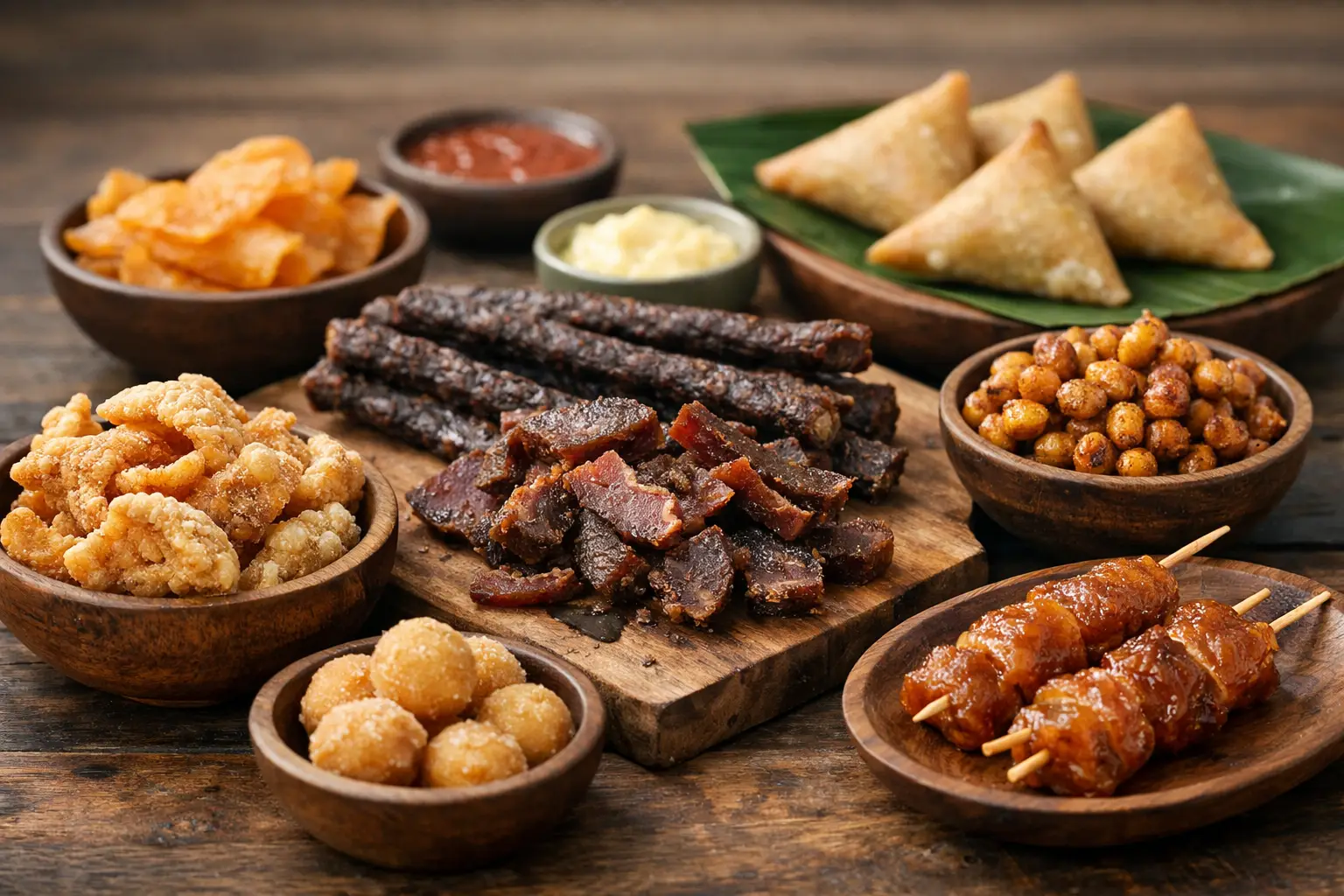
A proper snack should do more than fill a gap. It should bring flavour, texture and a bit of character to the moment. That is exactly why traditional South African snacks have such a loyal following in Australia. They are bold, satisfying and packed with heritage, whether you grew up with them or you are only just getting a taste for the lekkerness.
For plenty of Australians, especially South African expats, these snacks are tied to memory - road trips, braais, lunchboxes, padkos and a cup of coffee shared at the kitchen table. For others, they are simply a better kind of snack: richer in flavour, less ordinary, and often far more satisfying than the usual supermarket options. Either way, once you know what makes these classics special, it is easy to see why they have lasted.
What makes traditional South African snacks different?
South African snacking has always leaned towards substance. These are not snacks built around novelty alone. They tend to be savoury, practical and full of flavour, with many rooted in preservation, home baking and sharing food with family and mates.
There is also a strong contrast in the line-up. On one side, you have deeply savoury favourites like biltong and droëwors, where spice, texture and meat quality matter enormously. On the other, you have sweet classics like koeksisters and rusks, which are made for tea time, guests dropping in, or that mid-arvo moment when only something proper will do.
That mix is part of the appeal. Traditional South African snacks are not one-note. They cover salty, sweet, chewy, crunchy, spiced and comforting in equal measure.
Traditional South African snacks that define the category
Biltong
If there is one snack that sits at the heart of South African food culture, it is biltong. Made from premium cuts of meat, seasoned simply and air-dried in the traditional style, biltong is known for its dense texture and rich savoury flavour. Good biltong should taste like meat first, spice second. The balance matters.
Compared with standard jerky, biltong is usually less sugary and often more tender, depending on how it is sliced and dried. Some people prefer it wetter and softer, while others want a firmer bite. That is part of the beauty of it - there is room for personal preference, but quality always shows.
For snack buyers in Australia looking for something high in protein and genuinely satisfying, biltong is hard to beat. It works as a quick desk snack, a post-gym option, something for the glovebox, or a premium nibble to put out when friends come around.
Droëwors
Droëwors is another classic that earns instant respect once you try it. These dried sausages are typically made with beef and spices, then cured and dried until they have that signature snap and concentrated flavour. They are moreish in the best way.
Where biltong is all about sliced meat, droëwors brings a different eating experience. It is portable, easy to portion and ideal when you want a savoury snack with a bit more chew. The spice profile can vary, but the traditional character is unmistakable.
For many South Africans, droëwors is not just a snack. It is comfort food. It belongs on road trips, at sport, during long days at work and anywhere you want proper flavour without fuss.
Cabanossi
Cabanossi has carved out a strong place alongside the more traditional dried meats. While its roots are broader than South Africa alone, it has become a familiar favourite for many South African households and snack lovers who appreciate cured, ready-to-eat meats with a smooth smoky flavour.
It is slightly different in character from droëwors - often softer, more uniform and a touch milder depending on the recipe. That makes it a solid choice for mixed platters, lunchboxes or households where everyone wants something a bit different.
Jerky
Jerky is widely known in Australia, but South African-style dried meat fans tend to be quite particular about the difference between generic jerky and handcrafted, premium options. Traditionalists may not always place jerky in the same cultural lane as biltong, and fair enough. They are not the same product.
Still, jerky has its place. It suits people who like a firmer bite, stronger marinades or a more familiar format. The trade-off is that some jerky leans heavily on sweetness or smoke, while traditional South African dried meats usually keep the focus closer to the meat itself.
The sweet side of traditional South African snacks
Rusks
Rusks are one of those humble snacks that tell you a lot about South African food culture. They are twice-baked biscuits designed for dunking into tea or coffee, and they are far more satisfying than they sound if you have never tried them.
A good rusk is sturdy without being tooth-breaking, lightly sweet and full of homely comfort. There are plenty of variations, from buttermilk to muesli-style versions, and every household seems to have a favourite. Their charm is in their simplicity. No fuss, no gimmicks, just a proper companion to a hot drink.
Koeksisters
Koeksisters are unmistakable. Plaited, fried and soaked in syrup, they are sticky, sweet and completely committed to being a treat. They are not an everyday snack for everyone, but that is not the point. They are a special-occasion sort of indulgence, the kind that belongs at gatherings, celebrations and bakery counters that know what they are doing.
Texture is everything here. The outside should have a slight crispness, while the inside stays syrupy and soft. Done well, they are a serious pleasure. Done badly, they can be heavy. That is one of those snacks where authenticity and technique really count.
Hertzoggies and other baked favourites
South African baking brings in plenty of smaller snack-style treats too, including hertzoggies, crunchies and coconut-heavy bakes that feel right at home with a cuppa. These are less likely to be everyday impulse buys in Australia than dried meats, but they remain part of the broader snack tradition.
For expats, they carry nostalgia. For newer audiences, they offer something beyond the usual biscuit aisle. Not every sweet snack travels as easily as biltong, but they still matter because they round out the picture of what South African snacking actually looks like.
Why these snacks work so well in Australia
There is a reason traditional South African snacks land so well with Australian buyers. The lifestyles overlap more than people think. We like food that suits the outdoors, road trips, sport, entertaining and quick everyday convenience. We also appreciate straightforward quality.
That is why biltong and droëwors in particular have found such a strong home here. They fit busy routines, they feel premium without being fussy, and they give snack lovers a genuine alternative to chips, sugary bars and low-grade processed options. For South African households, they taste like home. For everyone else, they simply taste better.
There is also the freshness factor. Locally made products crafted in the South African style have a clear edge for Australian customers who want authenticity without sacrificing convenience. That combination matters.
How to choose the right traditional South African snacks
It depends on what kind of snacker you are. If you want something protein-rich and deeply savoury, start with biltong. If you like a firmer chew and sausage-style texture, go for droëwors. If you want something easy for platters or sharing, cabanossi is a strong pick.
If your snacking habits lean towards coffee breaks and sweet comfort, rusks are the natural place to begin. And if you are in the mood for an all-out treat, koeksisters bring the sugar hit with no apologies.
The best approach is not to overthink it. Start with one savoury and one sweet classic and see where your taste lands. Most people find they quickly develop a favourite, but it is rarely just one.
More than a snack
What gives these foods staying power is not just flavour. It is identity, craft and the fact that they still feel real. In a market full of overworked snack products, traditional South African snacks hold onto something better - honest ingredients, proper preparation and a sense of heritage you can taste.
That is why they continue to resonate across generations and across borders. Whether you are reconnecting with a taste of home or upgrading your snack game with something more premium, there is real pleasure in choosing food with substance. If you start anywhere, start with the classics and let your tastebuds do the rest.