Droewors vs Cabanossi Taste - What’s Different?
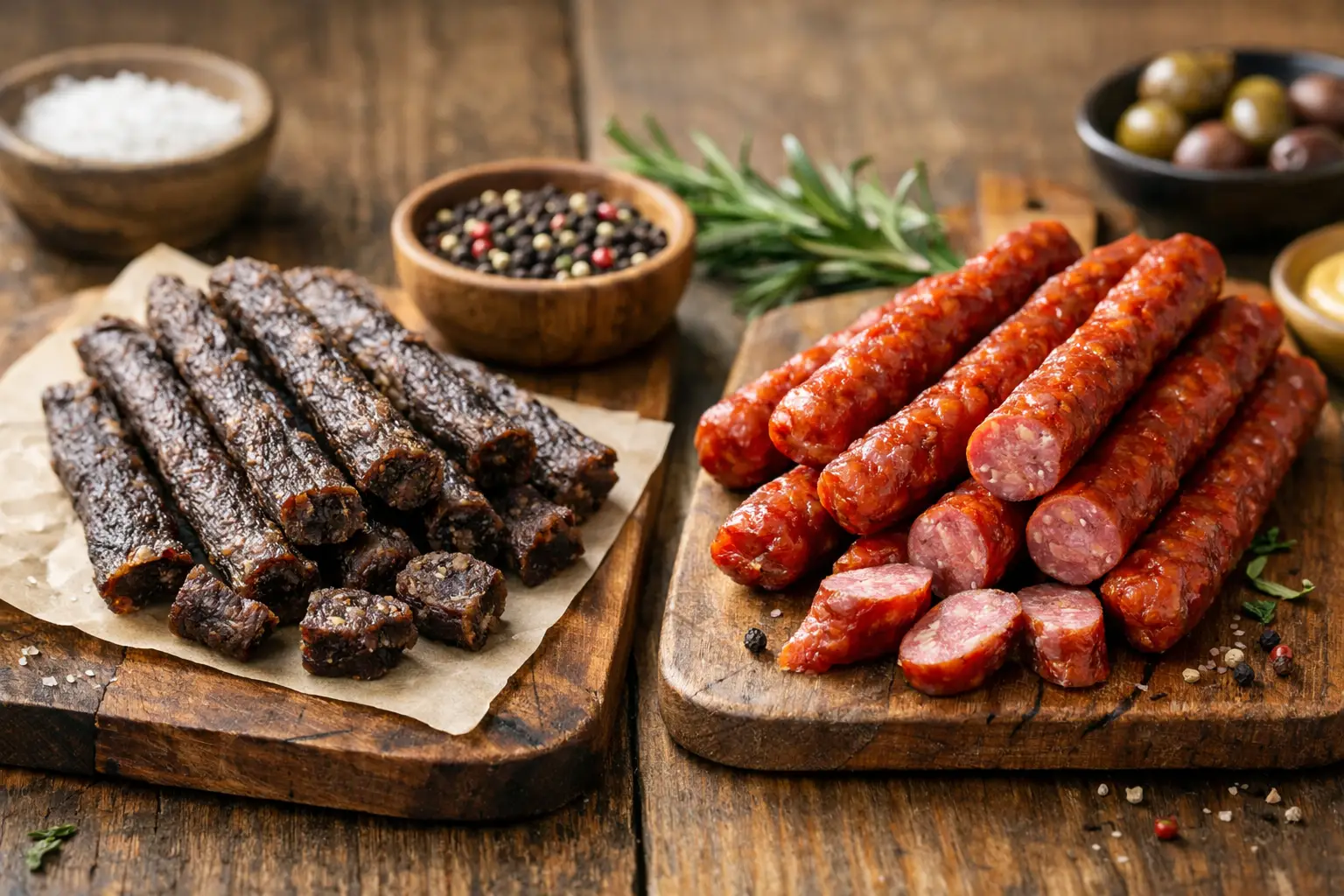
A proper snack board can turn into a serious debate when droëwors and cabanossi are on the table. The droewors vs cabanossi taste question comes down to more than dried meat versus sausage. One delivers the unmistakable tang and coriander warmth of South African tradition; the other brings a softer, smoky sausage character that many Australians already know well.
Both are brilliant savoury snacks, but they satisfy different cravings. If you are choosing between the two for a road trip, a grazing platter or your next protein-rich snack stash, knowing how they taste makes the decision much easier.
Droewors vs cabanossi taste at first bite
Droëwors has a bold, concentrated flavour. Because it is dried, the savoury beef character becomes more pronounced with every bite. A traditional-style droëwors recipe usually has a gentle tang from vinegar and a fragrant lift from coriander, supported by salt, pepper and warming spices. The result is rich without being heavy, with an aromatic finish that keeps you reaching for another piece.
Cabanossi tastes more like a classic smoked sausage. It is usually denser and moister than droëwors, with a rounded meat flavour and a distinct savoury smokiness. Garlic, pepper and paprika may feature depending on the recipe, while the smoke gives cabanossi its familiar barbecue-adjacent character. It is less tangy than droëwors and generally has a milder spice profile.
Put simply, droëwors is bright, spiced and intensely beefy. Cabanossi is smoky, savoury and sausage-forward. Neither is automatically better. It depends on whether you are after South African-style tang or that comforting, smoked savouriness.
Why the flavours are so different
The biggest difference starts with the way each product is made. Droëwors is a dried sausage with roots firmly in South African food culture. It is seasoned, stuffed into a thin casing and dried until it has a firm, chewy bite. Drying removes moisture, concentrating the flavour of the meat and spices. That is why a small piece can deliver such satisfying lekker intensity.
Cabanossi is also a sausage, but it is typically cured and smoked. Its characteristic flavour comes from the combination of seasoning, meat fat and smoke, rather than the vinegar-and-coriander profile associated with droëwors. The texture tends to retain more give, which makes the flavours feel smoother and more rounded on the palate.
Meat selection also matters. A beef-based droëwors will have a clean, deep beef flavour, while cabanossi can vary considerably by producer and recipe. Some versions use a blend of meats, and the balance of lean meat, fat, seasoning and smoking time changes the final taste. That is why cabanossi can range from gently smoky to strongly garlicky or peppery.
Droëwors: tangy, coriander-led and deeply savoury
For South Africans, the taste of droëwors can be instantly nostalgic. Its coriander note is not a background seasoning. It is part of the signature. Good droëwors has spice that complements the meat rather than covering it, followed by a subtle acidity that cuts through the richness.
The texture contributes to the experience too. Droëwors is usually thinner and drier than cabanossi, with a satisfying snap or firm chew depending on how it has been dried and stored. This makes the flavour feel focused. There is no watery or fluffy bite getting in the way of the meat and seasoning.
If you enjoy biltong, droëwors is a natural next step. It shares that concentrated dried-meat satisfaction, but the sausage format brings its own spice blend and a little more richness. It is ideal for people who like snacks with personality - savoury first, gently tangy, and unmistakably South African.
Cabanossi: smoky, mellow and familiar
Cabanossi has broad appeal because its flavour is approachable. The smoke is the hero, lending a savoury depth that works beautifully with cheese, crackers and cold drinks. Where droëwors can feel lively and aromatic, cabanossi is often more comforting and steady.
The mouthfeel is another major point of difference. Cabanossi is usually plumper, softer and juicier, particularly when freshly opened. That makes it an easy choice for a platter, lunchbox or casual entertaining, where guests may be less familiar with dried meats.
It can also suit snackers who find coriander too distinctive. Cabanossi does not usually have the same tangy, herb-spice character, so it is a gentler entry point into premium meat snacks. If your preference is for smoked meats, charcuterie and barbecue flavours, cabanossi may be the first pack you reach for.
Which one is spicier?
Spiciness is where labels can be misleading. Droëwors often tastes more complex because coriander, vinegar and pepper create layers of flavour, but that does not necessarily mean it is hot. Traditional-style droëwors is usually warmly spiced rather than chilli-hot.
Cabanossi may taste pepperier or smokier, yet also not be genuinely hot. Some recipes include chilli or stronger paprika, while others are deliberately mild. The only reliable answer is to check the individual product description, especially if you are feeding kids or someone who is sensitive to heat.
A useful rule of thumb: choose droëwors for aromatic spice and tang; choose cabanossi for smoky spice and richness. For proper chilli heat, look specifically for a hot or chilli-labelled variety rather than assuming either sausage will bring the burn.
Pairing each snack properly
Droëwors is excellent on its own because it has enough seasoning to carry the moment. For a grazing board, pair it with sharp cheddar, mature gouda, pickles or a little chutney. The acidity in these pairings plays nicely with its coriander and vinegar notes. It is also an easy companion for a long drive, a day at the cricket or a post-gym protein hit when you want something more interesting than ordinary jerky.
Cabanossi suits creamier and milder companions. Try it with cheddar, crackers, olives or a simple mustard. Its smoky flavour can handle a cold beer, but it also works well sliced into a lunch plate with fruit and cheese. Because it is softer and milder, it is often the crowd-pleaser when there are different tastes around the table.
For a mixed platter, do not choose one or the other. Serve both. Start with cabanossi, then move to droëwors, so the smoke does not dull the more delicate coriander notes. Add biltong for a third texture and you have a proper dried-meat spread with plenty of contrast.
Choosing the right one for your snack drawer
Choose droëwors when you want authentic South African flavour, a firmer bite and a punchy dried-meat finish. It is especially good for biltong fans, coriander lovers and anyone looking for a snack that feels handmade rather than generic.
Choose cabanossi when you are craving smoke, a softer sausage texture and an easy-going savoury flavour. It is a smart choice for sharing, kids' lunchboxes where suitable, or entertaining guests who enjoy familiar smoked meats.
Freshness makes a real difference to both. Well-made products should smell inviting and savoury, not stale or overly sharp. Store them according to the pack instructions, keep opened product protected from air, and enjoy them while their texture and flavour are at their best.
The best answer to droëwors versus cabanossi is to trust your craving. Go droëwors when you want tang, coriander and South African-style lekkerness. Go cabanossi when only a rich, smoky sausage bite will do. Better still, keep both close by - because premium snack decisions are much easier when the cupboard is well stocked.