Your Guide to Biltong Cuts and Their Textures
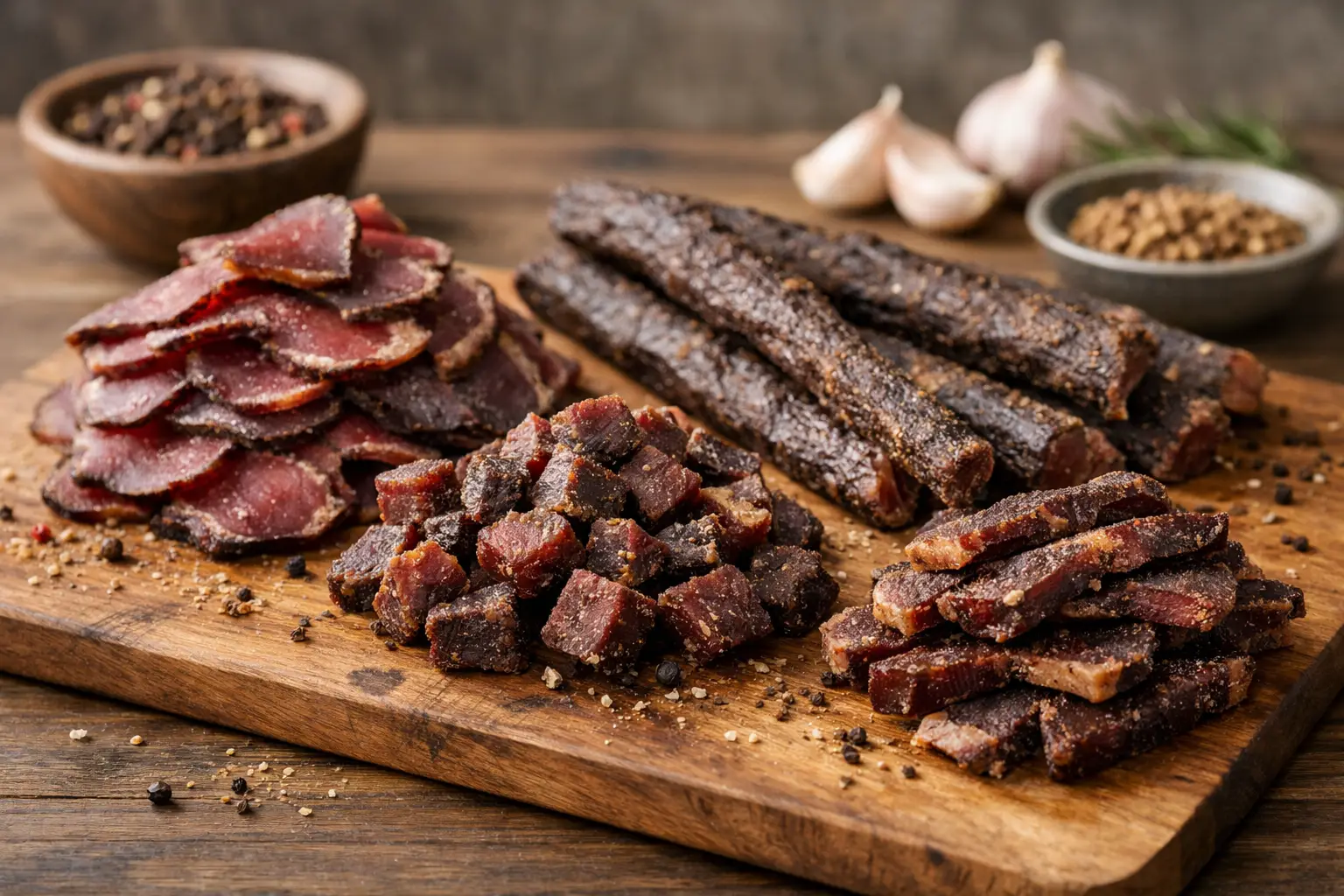
The right biltong cut is something you notice before the first proper chew. It shows in the grain, the thickness of the slice, the amount of fat at the edge and whether the piece gives you a tender bite or makes you slow down and savour it. This guide to biltong cuts is for anyone who knows their snack preferences, plus anyone ready to move beyond grabbing the first packet on the shelf.
There is no single ‘best’ cut. A lean, close-grained piece can be exactly right for one person, while another wants generous marbling and a softer chew. The lekker choice comes down to texture, richness and how you plan to enjoy it.
A guide to biltong cuts starts with the grain
Biltong is often cut from hardworking beef muscles, particularly from the hindquarter. These muscles have character: some are naturally dense and lean, while others carry more fat or have a looser grain. That difference remains clear once the meat is seasoned, cured and dried.
When choosing, look beyond the broad label of ‘beef biltong’. Ask whether it is lean or fatty, fine-cut or thick-cut, and sliced across the grain or served in larger pieces. These details affect the eating experience far more than most people expect.
The grain matters particularly. Long muscle fibres can make a piece feel firmer if it is sliced in the same direction as the grain. Slicing across it shortens those fibres, creating a more tender bite. A good biltong maker considers this carefully, but hand-cut pieces will always have a little natural variation. That is part of the handcrafted appeal.
The classic biltong cuts to know
Silverside: lean, firm and full-flavoured
Silverside is a familiar favourite for biltong because it is lean, consistent and has a distinct beefy character. It tends to produce firmer slices with a clean finish, particularly when dried further. If you enjoy biltong that is easy to portion and not overly rich, silverside is often a cracking place to start.
Because it has less internal fat, silverside puts seasoning and beef flavour front and centre. It suits thin slices, but it can also hold its own in chunky pieces for those who prefer a bigger chew. The trade-off is simple: leaner biltong can feel firmer than a fattier cut, especially if you like it on the dry side.
Topside: balanced texture with a gentler chew
Topside is another dependable hindquarter cut and is commonly chosen when a biltong maker wants a balance between leanness and tenderness. It has a slightly different muscle structure to silverside, often giving it a softer, more yielding bite when sliced well.
For many biltong fans, topside sits in the sweet spot. It is substantial without being overly chewy and flavourful without relying on a heavy fat cap. If you are ordering for a household with mixed preferences, this is often the easy crowd-pleaser.
Eye of silverside: neat, lean and uniform
Eye of silverside, sometimes called girello in Australian butcheries, is a compact and very lean muscle. Its tidy shape lends itself beautifully to uniform slices and sticks. The texture is dense and refined, making it a good choice for people who like a consistent chew from piece to piece.
This cut has less richness than fatty biltong, so it rewards those who love a clean, savoury profile. It can be particularly enjoyable in thinner slices. In thicker pieces, expect a more deliberate chew - not a downside, just a different style of snacking.
Flank and richer cuts: big character, generous bite
Cuts with more visible fat, including fatty flank-style pieces, deliver an entirely different biltong experience. The fat carries flavour, softens the chew and gives each slice a more indulgent finish. For plenty of South Africans, that pale fat edge is not something to trim away. It is the bit everyone is quietly hoping to get.
Fatty biltong has a devoted following for good reason, but it is not for every occasion. It is richer and more pronounced, so a small handful can feel more satisfying than a big serve of lean slices. If you have only ever had lean biltong, trying a fatty cut is well worth it. It may become your new favourite, or it may confirm you are firmly team lean. Both are respectable positions.
Cut and format are not the same thing
One easy point of confusion: the meat cut and the way biltong is presented are two separate choices. Silverside can be sliced thin, cut thick, served as chunks or left in a slab. The same is true of other cuts.
Thinly sliced biltong is usually the easiest share-plate option. It is convenient, familiar and lets the flavour land quickly. Thick slices bring more chew and make the texture of the meat more noticeable. Chunks are for those who want a proper mouthful and do not mind taking their time.
A whole slab gives you the most control. You can cut it fine for a grazing board, carve hearty strips for a road trip or keep it chunkier for a seriously satisfying desk snack. It also makes a brilliant gift for someone who takes their South African dried meat preferences very seriously.
Moisture preference plays a role too. A softer, moister piece may feel more tender, especially in a lean cut. A drier piece concentrates flavour and brings a firmer chew. Neither is automatically better. Think of it like choosing between a crisp biscuit and a chewy one - personal preference does the deciding.
Choose biltong cuts for the moment
For a casual shared platter, thinly sliced topside or silverside keeps things simple. It is easy to pick up, easy to portion and friendly for first-time biltong eaters. Pair it with cheese, crackers and something sharp or pickled if you are putting together a proper spread.
For the car, the office drawer or a day out, sticks and bite-sized chunks are practical. Leaner cuts tend to be less messy and offer a tidy, straightforward snack. If you are packing for a camping weekend or a long drive, variety is your mate: include one lean option and one fatty option, then let the snack debate begin.
For a treat-yourself moment, go for thick-cut or fatty biltong. The extra texture and richness deserve your full attention. This is the style to enjoy slowly with a cold drink, a good yarn and no need to rush anywhere.
If you are buying for a South African expat, familiar preference can matter more than you think. Some people grew up loving wet, fatty slices; others want dry, lean pieces with a firmer pull. If you are unsure, avoid pretending you know best. A mix of textures is a thoughtful move and makes the unboxing far more fun.
A few smart questions before you choose
Before adding biltong to your order, consider the level of fat you enjoy, whether you prefer a soft or firmer chew, and how you will serve it. Those three answers usually narrow the field quickly.
It is also worth remembering that biltong is handcrafted meat, not a uniform factory snack. Natural variation in grain, slice thickness and fat coverage is normal. That variation is evidence of real cuts of beef being treated with care, rather than something pressed into identical strips.
When trying a new cut, start with a smaller amount or choose a mixed selection if available. You will soon learn whether your perfect piece is lean and tidy, thick and chewy, or beautifully fatty at the edges.
The best biltong cut is the one that makes you reach back into the packet with a grin. Follow your preference, make room for a little experimentation, and enjoy every proper bite of the lekkerness.