How to Store Biltong Properly at Home
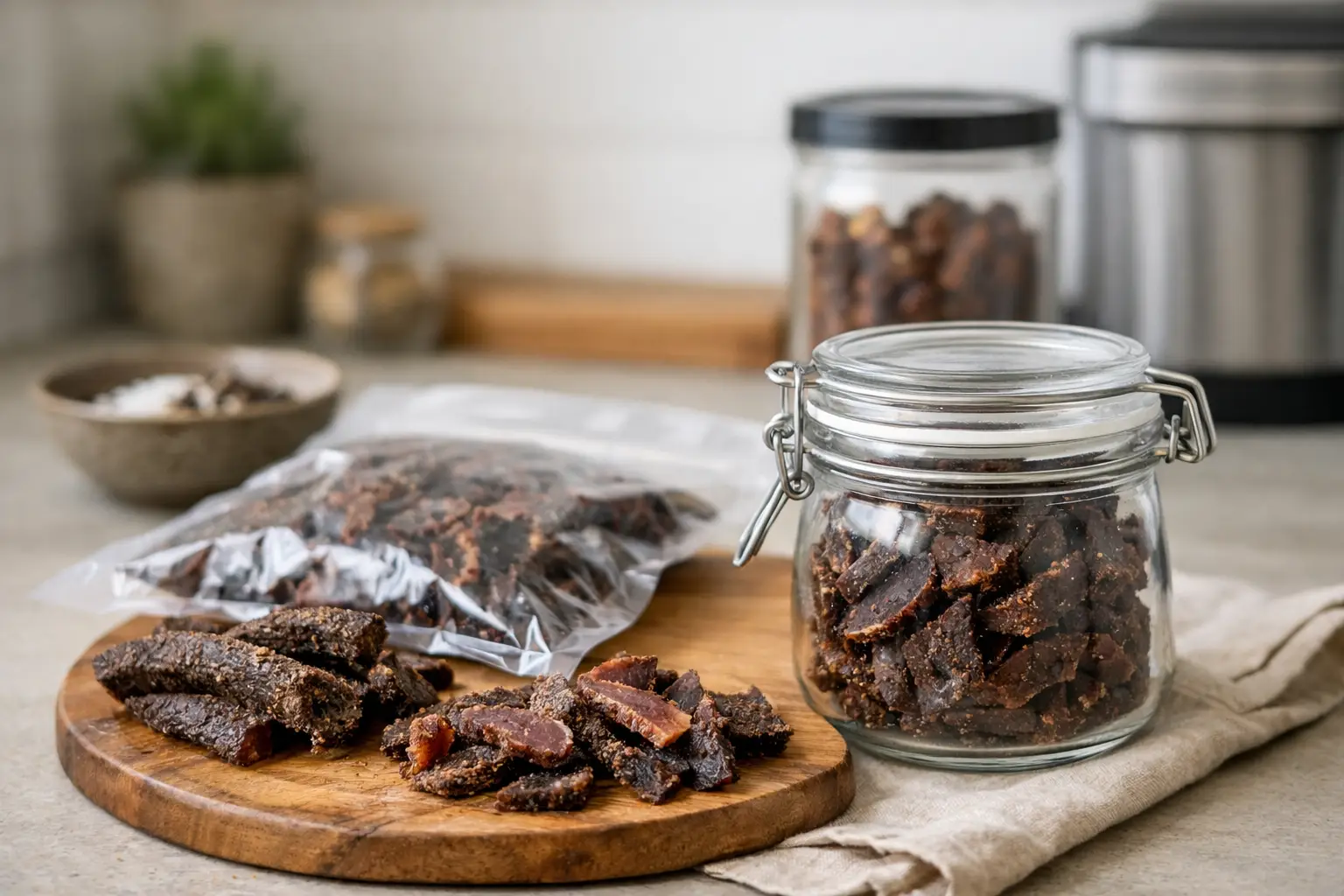
You open a fresh bag of biltong, grab a few slices, and tell yourself you’ll save the rest for later. Then later arrives, and the texture has changed, the aroma feels flat, or worse, the pieces have gone a bit too soft. If you’ve ever wondered how to store biltong properly, the good news is it’s not complicated - but it does need a bit more care than tossing the bag into any old cupboard.
Biltong is handcrafted dried meat, not a heavily processed snack built for neglect. That’s part of its charm. The texture, flavour and freshness depend on how it’s made, how moist it is when packed, and what happens after you open it. Store it well and you keep the lekkerness exactly where it should be. Store it badly and even premium biltong can lose its edge.
Why proper biltong storage matters
Biltong is naturally preserved through curing and drying, but that doesn’t make it invincible. Air, moisture, heat and direct sunlight all affect the eating quality. The biggest mistake people make is assuming dried meat is shelf-stable in any condition for as long as they please.
The truth is, biltong keeps best when it can breathe a little without being exposed to too much humidity. That balance matters. Too much trapped moisture can encourage spoilage. Too much dry air can turn a beautifully tender piece into something tougher than you wanted.
This is also where personal preference comes in. Some people love biltong on the softer, slightly moist side. Others want it drier and chewier. The right storage method depends partly on the texture you’re trying to hold onto.
How to store biltong properly day to day
For short-term storage, keep your biltong in a cool, dry place away from sunlight and heat. A pantry or cupboard is usually fine if your home isn’t running hot and humid. If the biltong came in a paper bag, that’s often a good sign. Paper helps manage airflow better than sealed plastic when you’re trying to stop condensation and preserve texture.
If you’ve opened the original packaging, avoid simply folding over the top and hoping for the best. Transfer the biltong to a paper bag or wrap it in clean paper, then place that inside a container that isn’t completely airtight. The aim is protection without trapping excess moisture.
Plastic containers and zip-lock bags can work in some situations, but they’re not always ideal for biltong, especially if it’s still fairly moist. They tend to hold humidity in, which can make the meat sweat. That’s when texture starts to shift, and freshness can head in the wrong direction.
Should you refrigerate biltong?
It depends on the weather, the moisture level, and how quickly you plan to eat it.
If you’re in a cooler part of Australia and finishing your biltong within a few days, pantry storage is usually enough. If you’re dealing with summer heat, a warm kitchen, or particularly moist biltong, refrigeration can be the safer option. This is especially true once the pack has been opened.
That said, the fridge isn’t automatically perfect. Refrigerators can introduce moisture if the biltong is packed badly. If you refrigerate it in sealed plastic, condensation can build up, particularly when you take it out and put it back in. That can affect both texture and shelf life.
If you do use the fridge, wrap the biltong in paper first, then place it in a breathable or loosely sealed container. Keep it away from high-moisture foods and strong-smelling items. Biltong has a proud flavour profile of its own. It doesn’t need to start tasting like last night’s leftovers.
How to store biltong properly for longer
If you’ve bought in bulk, received a larger order, or you’re trying to make your stash last, longer-term storage needs a bit more planning.
Freezing is the best option when you won’t eat the biltong within a reasonable time. Done properly, it helps preserve flavour and prevents waste. Portion it out first so you’re not repeatedly thawing the same batch. Wrap each portion in paper, then place it inside a freezer-safe bag or container.
When you’re ready to eat it, thaw it slowly in the fridge or at room temperature while still wrapped. Don’t rush the process with heat. And don’t freeze and thaw the same portion over and over. That repeated cycle can make the texture inconsistent and less enjoyable.
Freezing works particularly well for whole pieces. Pre-sliced biltong is more exposed to air, so it can dry out or soften faster depending on how it’s packed. If you know you’re storing for a while, whole pieces generally give you better control.
The best container for biltong
There’s no single magic container, but there is a clear rule: avoid trapping moisture.
Paper bags are a favourite for a reason. They support airflow and help maintain the texture of traditional biltong. A ceramic container, lunch box or food-safe tin can also work well if the biltong is first wrapped in paper. Glass containers are fine too, provided they’re not creating a humid little environment inside.
What you want to avoid is warm, sealed plastic sitting on the bench. That setup can turn good biltong limp or sweaty in no time. If your biltong is already quite dry, you have a little more flexibility. If it’s soft and moist, give it more breathing room.
Common mistakes that ruin good biltong
A lot of storage problems come down to habits rather than bad products. People leave biltong in a hot car after delivery, stash it near the stove, or keep opening the pack with wet hands while making lunch. Small things make a difference.
One common mistake is thinking airtight always means fresher. That’s true for plenty of foods, but biltong is a bit different. Traditional dried meat often does better with controlled airflow than with sealed-in humidity.
Another mistake is storing it for too long because it looks fine from the outside. Biltong can change gradually. It may not spoil dramatically at first, but the eating quality drops off. The spice notes dull down, the fat can harden, and the texture moves away from what made it great in the first place.
What about droëwors and jerky?
If your snack drawer includes more than just biltong, the storage rules are similar but not identical.
Droëwors should also be kept cool and dry, with care taken not to trap moisture. Because it contains fat, warm conditions can affect it faster than people expect. Jerky is often drier and may tolerate airtight packaging a bit better, depending on how it’s made, but heat and humidity are still the enemy.
If you’re ordering premium dried meats online, treat each product according to its texture and moisture level rather than assuming one rule fits the lot. Handcrafted products deserve that bit of attention.
Signs your biltong has been stored badly
Usually, your senses will tell you. If the biltong smells off rather than rich and savoury, feels unusually wet or slimy, or shows obvious mould that doesn’t look like harmless salt bloom, don’t risk it. Throw it out.
Less serious signs include texture drift. Maybe it’s become much harder than intended, or the outside has softened while the inside feels odd. That doesn’t always mean it’s unsafe, but it does mean the storage conditions weren’t ideal.
White markings can confuse people. In some cases, this is simply salt coming to the surface, which is normal. Fuzzy growth or anything with a suspicious smell is different. If you’re unsure, it’s better to be cautious than sentimental about the last few pieces.
A simple rule for fresher biltong
Buy the amount you’ll realistically eat, and store it according to how moist it is. Softer biltong needs more care. Drier biltong gives you a bit more breathing space. Heat speeds up every problem, and trapped moisture is usually the real troublemaker.
At Steyn’s Biltong & Jerky, that handcrafted, traditional style is exactly why storage matters. Authentic biltong isn’t meant to be treated like a random servo snack sitting forgotten in the glove box.
If you want the best eating experience, think cool, dry, shaded and sensible. A little care keeps the flavour bold, the texture right, and every bite properly lekker.