Australian Dried Meat Storage Guide for Fresh Flavour
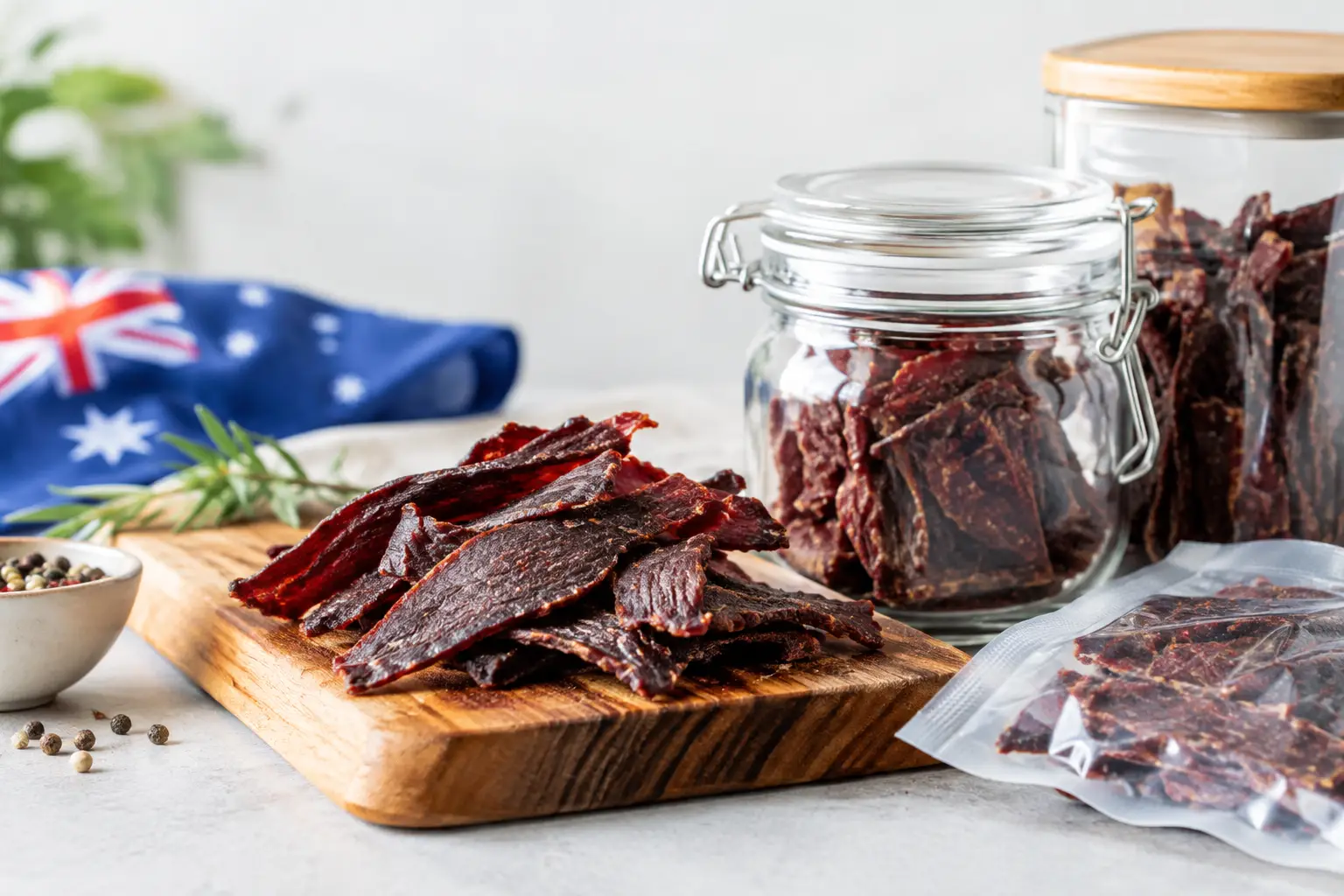
That first slice from a freshly opened bag should be full of the flavour and texture you ordered - not softened by humidity, dried out in the back of the fridge, or carrying a whiff of last night’s leftovers. Australia’s warm weather can be tough on premium dried meats, particularly once a pack is open. This Australian dried meat storage guide gives your biltong, droëwors, jerky and cabanossi the simple care they deserve.
The short version is this: keep unopened products cool, dry and out of sunlight; close opened packs tightly; and use your fridge or freezer when you need more time. The finer details matter, though, because a dry piece of droëwors and a tender, sliced biltong do not behave exactly the same way.
Start with the pack, not a guess
Your product label is the best starting point. It reflects the individual product, its packaging and its best-before date. Follow any storage direction on the pack first, especially for cabanossi or products supplied in a particular sealed format.
When your order arrives, bring it inside rather than leaving it in a hot letterbox, on the veranda or in the ute. Express delivery helps get handcrafted products to you quickly, but a Queensland summer afternoon can still turn a cool parcel into a warm one in no time.
If you are not planning to open everything straight away, separate what you will enjoy soon from what you are saving. This avoids repeatedly moving every pack between the pantry, fridge and bench while looking for your favourite snack.
Australian dried meat storage guide: unopened packs
An unopened, properly sealed pack is happiest in a cool, dry, dark cupboard away from heat sources. Think a pantry shelf, not the cupboard above the oven, beside the kettle, or next to a sunny kitchen window. Heat and direct light can work against the flavour and texture you paid for.
A stable spot is more useful than chasing the coldest spot in the house. If your pantry stays reasonably cool and dry, it is usually a sensible place for sealed dried meats within the date on the label. In humid coastal conditions, or during a proper heatwave, refrigeration may be the better option if the label allows it.
Keep unopened packs away from strongly scented foods as well. Dried meats have plenty of character of their own. They do not need help from onions, blue cheese or a container of leftover curry.
Once opened, keep air and moisture under control
The moment you open a pack, the storage routine changes. Air can gradually dry meat further, while moisture and kitchen humidity can alter its surface and texture. Your goal is not to fuss over it every hour. It is simply to close it well and keep conditions consistent.
If the original pack has a reliable reseal, press out excess air and close it firmly after each serve. If it does not reseal properly, transfer the product to a clean, dry airtight container or food-safe zip bag. A container is particularly handy for sliced biltong, where a loosely folded packet can lead to pieces drying at different rates.
Use clean, dry hands or tongs when reaching in. It sounds small, but crumbs, moisture and fingers fresh from making a sandwich do not belong in the pack. Avoid topping up a container with a new batch before the last of the old batch is finished. Wash and dry it first, then start fresh.
For most opened dried meats, the fridge is the dependable choice, particularly when the weather is sticky or the household takes a while to finish a pack. Place the sealed pack or container in a calmer part of the fridge rather than the door, where temperatures change every time someone goes looking for milk.
There is a trade-off. Refrigeration can make the meat firmer, and opening a cold container in a warm, humid kitchen can create condensation. Let the sealed container sit for a few minutes before opening if you notice this happening. If moisture appears inside, gently pat the product dry with clean paper towel, use it soon, and make sure the container is completely dry before returning anything to it.
Storage by product: biltong, droëwors, jerky and cabanossi
Not every premium meat snack has the same ideal texture, so a one-rule approach can miss the mark.
Biltong
Biltong can range from drier pieces to softer, more tender slices. The more tender the cut, the more worthwhile it is to keep it securely sealed and refrigerated after opening. If you like your biltong with a little more give, do not leave it uncovered on the bench where it can continue to dry out.
For a pack you will finish over a few days, an airtight container in the fridge is straightforward and effective. Take out only what you want to eat, then close it again. That keeps every slice closer to its intended lekkerness.
Droëwors
Droëwors is naturally firmer and generally handles short periods out of the fridge well when kept cool and dry. Yet Australian humidity is the catch. In muggy weather, or if you are keeping it beyond a quick snack window, airtight refrigeration is the safer bet for preserving that satisfying snap.
Avoid storing droëwors in a paper bag for days on end. Paper can be useful briefly for a very dry product, but it is not a strong barrier against changing humidity, household odours or accidental spills in the pantry.
Jerky
Jerky should stay in its sealed pack or an airtight container once opened. Because pieces are often thinner, they can dry further quite quickly if exposed to air. Refrigeration after opening helps retain a more enjoyable chew, especially if you are making a pack last between road trips, work lunches or weekend sport.
Cabanossi
Cabanossi deserves extra attention to its specific pack instructions. Keep it sealed until needed, then refrigerate after opening in a clean airtight container or wrapped format as directed. Slice only what you plan to serve where possible, leaving the remainder protected from air and fridge odours.
Can you freeze dried meat?
Yes, freezing is a practical option when you have stocked up, received a larger order, or are saving products for a camping trip, family visit or gift hamper. It is best for unopened packs, though opened products can also be frozen if they are tightly sealed and still in good condition.
Portion first if you can. A few smaller packs mean you only thaw what you will actually eat, rather than defrosting a large bag repeatedly. Press out as much air as possible from freezer-safe packaging, label it with the product and date, and place it somewhere it will not get crushed by frozen peas or a mystery bag from 2023.
Thaw frozen dried meat in the fridge while it remains sealed. Once thawed, check for condensation before opening and enjoy it within a sensible timeframe. Freezing can slightly change texture, particularly in more tender products, but it is a worthwhile trade-off when preventing waste is the priority.
The storage mistakes that steal the good stuff
The biggest flavour thief is heat. A car console, sunny countertop or gym bag left in the boot can quickly become a poor home for premium dried meat. The next is air: an open bag with the top folded over might be fine for an afternoon, but not for several days.
Humidity is the sneaky one in many Australian homes. A product that looks fine on a dry winter day may react differently through a wet coastal summer. If your kitchen feels humid, do not rely on the pantry after opening. Seal it and use the fridge.
Finally, do not treat the best-before date as a decoration. Rotate your stash, enjoy older packs first, and inspect anything that has been opened for a while. If a product shows unexpected mould, a noticeably unpleasant smell, unusual stickiness or any change that makes you unsure, do not take chances - discard it.
A quick routine for better snacking
Make storage part of unpacking day. Put one pack aside for now, refrigerate the opened one after serving, and freeze the extras you know you will not reach soon. It takes less than a minute and means the last piece can be as enjoyable as the first.
Premium dried meat is made to be enjoyed, not forgotten behind a jar of pickles. Keep it cool, dry, sealed and ready for the next proper snack break - then get on with indulging in the lekkerness.