Does Biltong Need Refrigeration? Storage Advice
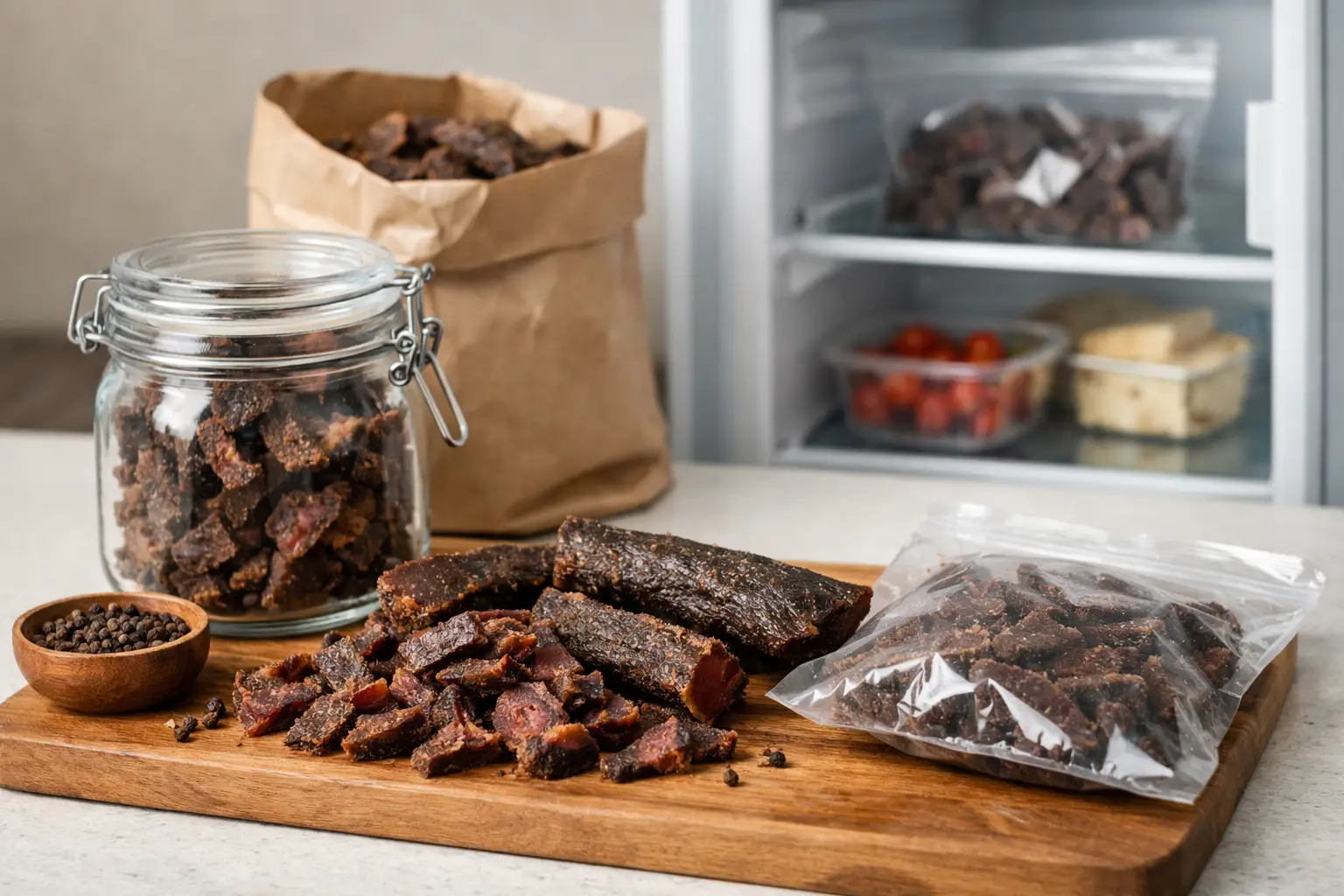
A fresh bag of biltong rarely lasts long in a house full of South Africans - or anyone who has discovered proper dried meat lekkerness. Still, once the first handful is gone, the question comes up: does biltong need refrigeration? Usually, unopened biltong does not need to go in the fridge if it has been properly dried, packed and stored somewhere cool and dry. After opening, the best storage choice depends on how quickly you will finish it, how moist the biltong is, and how warm your kitchen gets.
Biltong is made to last longer than fresh meat. That is the point of the traditional curing and drying process. But it is not indestructible, and the way you store it can make the difference between beautifully tender, flavour-packed slices and biltong that goes hard, damp or stale before its time.
Does biltong need refrigeration after opening?
For most dry biltong, refrigeration is not essential immediately after opening. If you plan to enjoy it within a few days, keep it in a sealed bag or airtight container in a cool, dark cupboard, away from the stove, direct sun and humidity. A pantry is ideal, provided it does not turn into a sauna during an Australian summer.
The fridge becomes the smarter option when you want to keep opened biltong for longer, when the weather is hot and sticky, or when you have chosen a wetter, more tender cut. Moist biltong contains more water than dry biltong, which gives it that sought-after soft bite but also means it has a shorter window at room temperature.
There is one rule that matters more than any general storage advice: follow the storage instructions on the pack. A producer knows the moisture level, packing method and intended shelf life of that particular product. If the label says refrigerate after opening, refrigerate it.
Why biltong can sit outside the fridge
Biltong is not raw steak sitting on the bench. During production, meat is seasoned, cured and air-dried. Salt, vinegar and the removal of moisture all help create an environment that is less welcoming to the microbes that spoil fresh meat.
That does not mean every piece is identical. Traditional biltong can range from very dry and firm to gloriously wet in the middle. Whole pieces, sliced biltong, sticks and chilli bites may all behave differently in storage. The more moisture left in the product, the more care it needs once the pack is opened.
Packaging also matters. A properly sealed unopened pack protects biltong from oxygen, outside moisture and contamination. Once opened, air gets in every time someone reaches for another piece. That is why the storage advice changes after you crack the seal.
The fridge trade-off: longer keeping, firmer texture
Refrigerating biltong can extend its life after opening, but it is not always the best move for texture. Fridges are dry environments, so biltong may become firmer or lose some of its tender chew over time. It can also absorb odours from strong foods if it is not sealed well. Nobody wants onion-scented biltong.
If you refrigerate it, place the biltong in an airtight container or resealable bag and press out excess air where practical. Keep it away from uncovered leftovers and foods with powerful aromas. Before eating, let a serving sit at room temperature for a short while. This takes the chill off and lets the spice, meatiness and fat character come through more clearly.
Avoid leaving the entire bag out on the kitchen bench, then returning it to the fridge again and again. Frequent temperature changes can create condensation inside the pack. Moisture is the enemy of good storage, especially if it collects around sliced pieces.
Pantry storage works best when it is cool and dry
A cool cupboard is often the sweet spot for biltong you expect to finish soon. Store it in a dark place with steady temperatures, well away from heat sources. A cupboard beside the oven, a sunny benchtop or the glove box of a ute are all terrible places for premium dried meat.
In much of Australia, summer heat changes the calculation. A pantry that is fine in winter may become too warm when the mercury climbs. If your home is regularly hot, humid or without reliable cooling, refrigeration is the safer choice for opened biltong - particularly wetter varieties.
Do not store biltong in a paper bag for extended periods. Paper can be useful briefly for very dry whole pieces, but it does not protect against humidity, household odours or curious fingers. A sealed container gives you more control.
How long does biltong last?
There is no single number that suits every biltong product. Shelf life depends on the cut, moisture level, seasoning, packaging and storage conditions. Unopened biltong should be kept according to the best-before date and instructions on its pack.
Once opened, dry biltong generally keeps better than wet biltong, and refrigeration generally gives you a longer window than a warm pantry. The practical answer is simple: buy the amount you are likely to enjoy while it is at its best, seal it carefully after every snack, and use the producer's directions as your guide.
If you are ordering for a gathering, road trip or weekend braai, pantry storage is often perfectly workable for a short period. If you have stocked up on several packs or want to stretch an opened pack over time, pop the opened product in the fridge and take out only what you plan to eat.
Signs your biltong has passed its best
Trust your senses, but do not confuse normal biltong characteristics with spoilage. Biltong can have a dark outer surface, a rich cured aroma and a white coating from salt or fat. These can be entirely normal, depending on the product.
What you should not ignore is a distinctly sour, rancid or unpleasant smell; sticky or slimy surfaces; unusual coloured mould; or a noticeable change that makes you question the product. When in doubt, do not taste-test it to investigate. Discard it and check whether storage conditions may have been the issue.
Mould deserves particular care. A tiny white bloom on a dried whole piece can sometimes be mistaken for salt, but fuzzy growth or green, blue or black spots are not something to brush off and eat around. For sliced biltong, it is especially sensible to discard the pack if mould appears, as you cannot know how far it has spread.
Can you freeze biltong?
Yes, freezing is a useful option if you have more biltong than you can enjoy within its best eating window. Divide it into smaller airtight portions first. That way, you can thaw only what you need rather than repeatedly exposing the full stash to air and temperature changes.
Freeze biltong while it is still fresh, not after it has been sitting open for ages. To thaw, move a portion to the fridge or leave it sealed until it reaches room temperature. If condensation forms inside the bag, dry the outside of the packaging and eat that portion promptly.
Freezing may change the texture slightly, especially with wetter biltong, but it is still a far better outcome than letting handcrafted meat lose its quality in a hot cupboard.
A simple way to store every pack well
Keep unopened biltong exactly as directed on the pack. Once opened, reseal it tightly and keep it cool, dry and out of sunlight. Finish dry biltong sooner rather than later from the pantry, or refrigerate it to extend its time. For moist biltong, warm weather or long storage, choose the fridge from the start.
Great biltong is made for sharing, snacking and quietly disappearing before anyone gets a second turn. Treat it with a little care, and every slice will stay closer to the tender, boldly seasoned South African-style goodness it was made to deliver. That is the kind of lekkerness worth protecting.