Cured Meat Safety: Storage, Handling and Signs
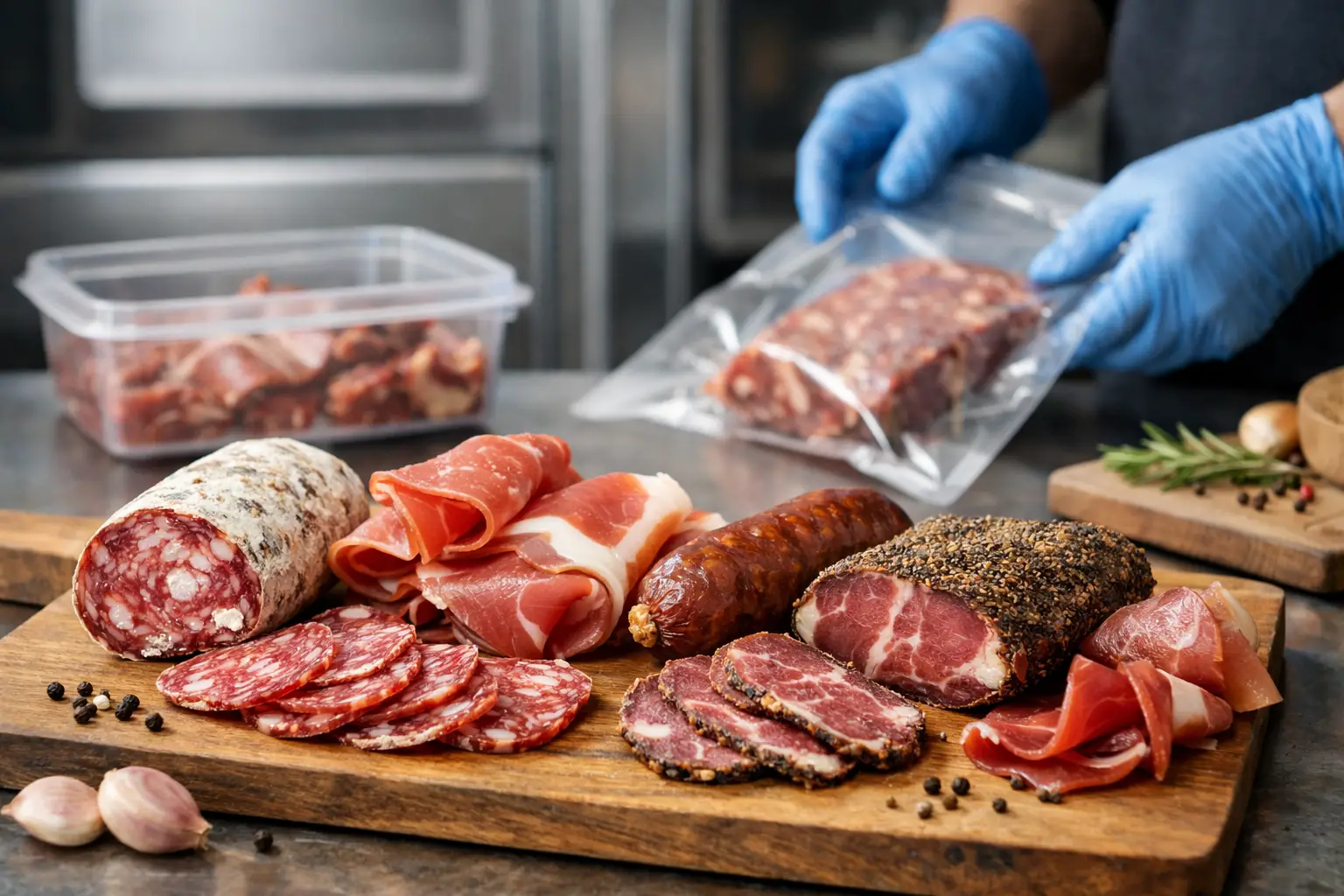
A good piece of biltong should be all about rich beef flavour, satisfying chew and proper lekkerness - not a guessing game once it reaches your pantry. Cured meat safety comes down to the details: how the meat was made, whether its packaging is intact, and how you store it after opening. Get those right and premium dried meat is a brilliantly convenient snack for the desk drawer, road trip or post-gym bag.
Curing and drying are time-tested ways to make meat last longer, but they do not make it indestructible. Biltong, jerky, droëwors and cabanossi have different moisture levels, recipes and storage needs. Treat the pack label as the final word for the product in your hands.
What makes cured meat safe?
Cured meat safety is not one single step. It is a chain of controls that starts well before the meat is sliced or seasoned. Quality producers begin with suitable meat, maintain strict hygiene, use a tested recipe and control curing, drying and packaging conditions. The aim is to reduce the conditions that let harmful bacteria grow while preserving the texture and flavour that make dried meat such a favourite.
Salt plays a key role, drawing out moisture and helping create an environment less welcoming to many microbes. In biltong, vinegar and spices also contribute character and are part of the traditional process. Drying matters just as much: less available water generally means a more shelf-stable product. That is different from simply leaving meat out until it feels dry on the surface.
This is why homemade and commercially produced cured meats should not be treated as identical. Making dried meat safely requires more than a good marinade and a drying rack. Temperature, airflow, humidity, meat thickness, curing time and final moisture all affect the result. If you make your own, use a proven method and food-safety guidance rather than improvising.
Commercial packaging adds another layer of protection. A sealed pack helps keep the product clean and reduces exposure to oxygen and moisture. Once opened, however, the clock and the storage conditions change. Freshness is no longer only the producer's job - it becomes yours as well.
Biltong, jerky and droëwors are not quite the same
It is tempting to store every dried meat snack the same way, but the best approach depends on the product. Jerky is often dried to a firmer, drier finish and may be packaged for pantry storage until opened. Biltong is commonly enjoyed in a range of textures, from dry through to softer and moister cuts. That softer bite is part of the appeal, but it can mean refrigeration after opening is especially wise.
Droëwors is dried sausage, while cabanossi is generally a semi-dried or smoked sausage product. Their ingredients, fat content and moisture can differ significantly from sliced biltong or jerky. Follow the use-by or best-before date, any refrigeration instruction, and the recommended timeframe after opening on the pack. When a label says refrigerate after opening, do it promptly rather than waiting until tomorrow.
A useful rule is simple: the softer and moister the product, the less casually it should be handled. That does not mean dry products can live forever in a hot ute or sunny kitchen either. Heat can speed up quality loss, encourage fat to go rancid and create avoidable food-safety risk.
Store it properly from delivery to snack time
When your order arrives, check that the packaging is sealed, dry and undamaged. Bring it inside rather than leaving it in direct sun, on the verandah or in a warm letterbox. Australia can serve up serious heat, and even a beautifully made product deserves a sensible home once delivered.
Before opening, store the product exactly as directed on its label. If it is labelled for ambient storage, choose a cool, dry cupboard away from the oven, dishwasher and afternoon sun. Do not keep it next to the kettle where steam regularly adds moisture to the air. If it is labelled refrigerated, pop it in the fridge straight away.
After opening, close the pack tightly or transfer the meat to a clean, airtight container. Refrigeration is the cautious option for opened biltong and other dried meats, particularly if you prefer a moist style, live somewhere humid, or will not finish the pack quickly. Keep it away from raw meat, and use clean hands or tongs rather than reaching in after preparing dinner.
Freezing can be useful if you have stocked up and want to preserve quality for longer. Portion the product first, seal it well, then thaw only what you expect to eat. Repeated thawing and refreezing is not ideal for texture or freshness.
The everyday habits that protect flavour and safety
Most issues happen after a pack is opened. A few small habits make a meaningful difference. Do not eat directly from the bag if you plan to keep it for later, especially when sharing. Crumbs, moisture and hands all introduce opportunities for contamination. Serve a portion in a bowl, then reseal the remainder.
Avoid combining old and new product in the same container. If there is a small amount left in the bottom of a jar, finish it first and wash the container before refilling. The same goes for storing biltong beside cut fruit, wet salad ingredients or sauces in a lunchbox. Keep dry meat dry.
Be mindful when packing snacks for travel. A short day at the beach, a flight or a drive is usually straightforward when the product is packed as directed and kept out of heat. For long trips or hot conditions, an insulated bag and ice brick are a sensible choice for opened or refrigerated items. If the food has been sitting warm for hours and you are uncertain, do not rely on wishful thinking.
People who are pregnant, elderly, immunocompromised or caring for very young children should take extra care with ready-to-eat meats. Choose products from reputable producers, respect storage directions and avoid eating anything that has been poorly stored or is past its date. Individual dietary and health advice can differ, so speak with a health professional where needed.
When to throw cured meat out
Your senses are useful, but they are not a substitute for the date and storage instructions. If a product is past its use-by date, discard it. A best-before date is more about quality, yet an opened product can still become unsuitable before that date if it has been mishandled.
Look for a damaged or puffed pack, leaks, unexpected wetness, sticky slime, mould that is not part of the product, or an unpleasant sour, rotten or rancid smell. Discolouration can sometimes occur naturally as meat is exposed to air, so it is worth considering the whole picture rather than reacting to a minor colour change alone. But if the appearance, smell or texture seems wrong, bin it.
Do not taste a questionable piece to test it. Curing spices can be bold, and they cannot reliably cover signs of spoilage. The cost of a small amount of meat is never worth the risk of a rough night.
Buying with confidence
The best cured meat safety decision is made before checkout. Buy from a specialist producer that is clear about its products and handling directions, and choose delivery options that suit the food you are ordering. When the parcel arrives, inspect it, store it correctly and enjoy it within the recommended period.
At Steyn's Biltong & Jerky, the point is simple: handcrafted South African-style dried meat deserves the same care in your kitchen as it receives during preparation. Keep your favourite cuts cool, dry and properly sealed, and every savoury bite can stay focused on what matters - proper flavour, proper tradition and plenty of lekkerness.