Biltong Sodium Levels and Smarter Snacking
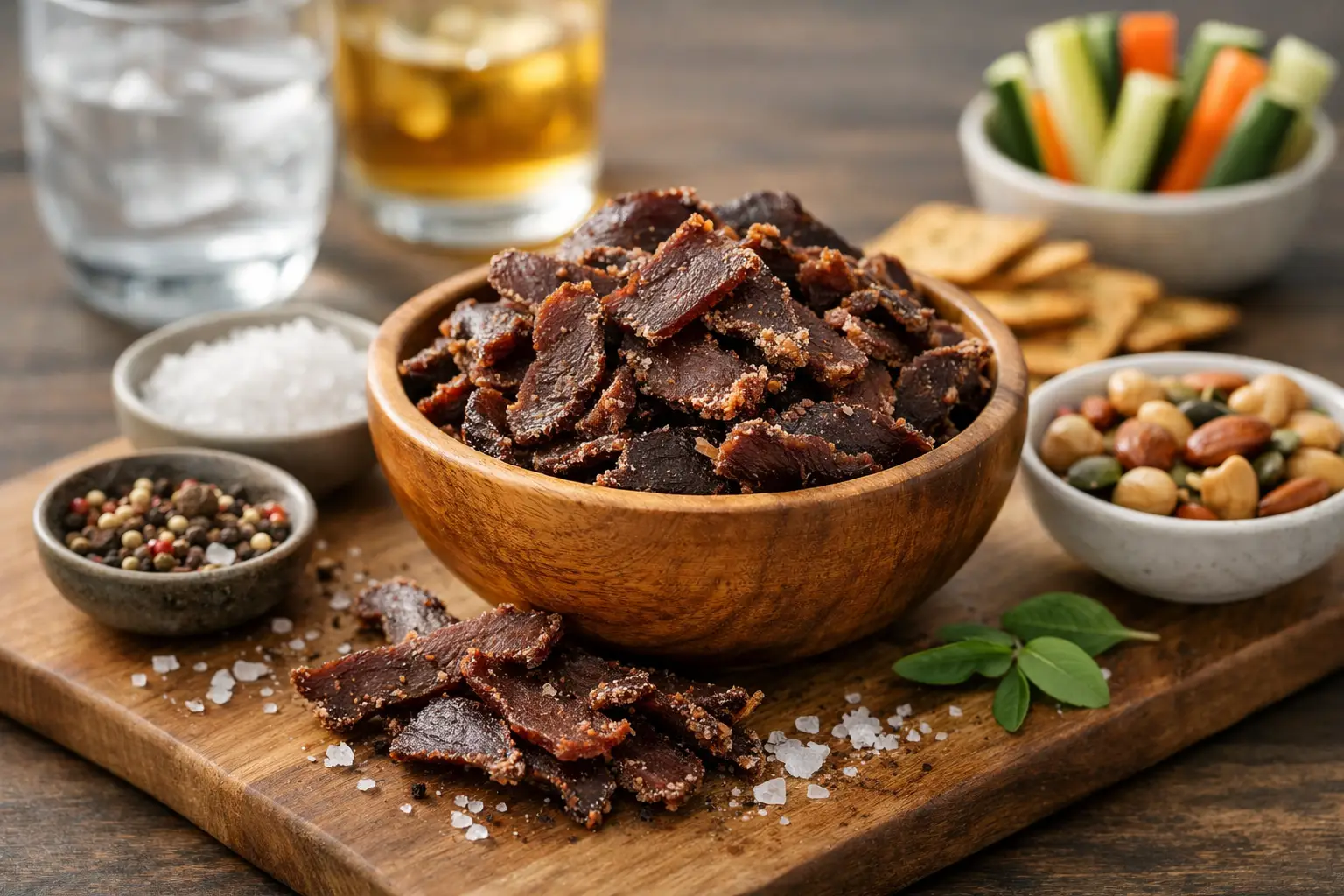
A proper piece of biltong should make you reach for another slice because of the spice, the beefy richness and that unmistakable South African flavour - not because you are guessing what is in it. Biltong sodium levels are worth understanding, particularly if biltong is one of your regular desk-drawer, road-trip or post-gym snacks.
Salt has a real job in traditional dried meat. It helps cure the meat, supports food safety and builds the savoury character that makes biltong so lekker. But dried meat is concentrated meat, and sodium can be concentrated too. The useful question is not whether biltong contains sodium. It does. The question is how much is in your preferred product, how much you eat at once and how it fits into the rest of your day.
Why biltong sodium levels can vary so much
There is no single sodium number for all biltong. Recipes differ, curing times differ, and one producer's original seasoning can be quite different from another's chilli, garlic or pepper blend. The cut and moisture level also matter. As meat loses water during drying, its flavour and nutrients become more concentrated by weight.
Traditional biltong is generally cured with salt, vinegar and spices before it is air-dried. That curing step is part of the craft, not an unnecessary extra. Remove too much salt and you may change the flavour, texture and preservation qualities people expect from authentic biltong.
This is why two packs that look similar can have noticeably different figures on the nutrition panel. A softer, wetter biltong may not compare directly with a very dry piece on a per-100-gram basis. Added marinades, seasoning blends and sauces can shift the result again. Jerky can vary widely as well, particularly when sweeter marinades are involved, so it is not safe to assume one dried meat is automatically lower in sodium than another.
Read the label, not the reputation
The nutrition information panel is the most reliable place to start. Look for sodium, measured in milligrams, and check both the amount per serving and the amount per 100 g.
The per-serving figure tells you what you will consume if you stick to the suggested portion. The per-100-g figure makes it easier to compare products fairly, even when pack sizes and serving suggestions differ. Both figures matter.
A 30 g serve is a practical snack-sized portion for many people. If a biltong contains 1,500 mg of sodium per 100 g, a 30 g serve provides about 450 mg of sodium. That is a much more useful number when you are deciding whether to have a handful with your afternoon coffee or finish half a large bag while watching the footy.
Be careful with the word “salt”, too. Nutrition panels in Australia typically list sodium, while some product descriptions may refer to salt. They are related but not identical measurements. As a rough conversion, salt is about 2.5 times the amount of sodium. So 400 mg of sodium is roughly equivalent to 1 g of salt.
What is a sensible amount of sodium?
For adults, Australian dietary guidance sets an adequate intake of sodium at 460 to 920 mg per day, while the suggested dietary target is no more than 2,000 mg per day. That upper target is roughly equal to 5 g of salt from all foods across the day, not just what you add from the shaker.
That does not mean a snack containing several hundred milligrams of sodium is automatically off the table. It means context counts. A serve of biltong alongside fresh fruit, yoghurt and a home-cooked dinner is a different day of eating from biltong paired with salty crackers, takeaway chips, cheese and a sauce-heavy burger.
People with high blood pressure, kidney disease, heart conditions or a medically prescribed low-sodium diet need to be more deliberate. If that is you, a doctor or accredited practising dietitian can help set a personal target. Biltong can still be something to discuss, but the label and portion size deserve closer attention.
Your appetite can outpace the serving size
Biltong is easy to graze on. It is packed with flavour, it travels well and a bag can disappear quickly in the ute, at the office or during a long weekend away. That is not a reason to avoid it. It is simply a reason to portion it before you start.
Rather than eating straight from the pack, put a serving in a bowl or reusable container. It sounds simple, but it makes the nutrition panel meaningful. If you want a more substantial snack, add foods that bring volume without adding much sodium - think apple slices, carrot sticks, unsalted nuts or plain Greek yoghurt.
Sodium is only one part of the biltong story
Looking at sodium does not mean ignoring everything else a snack offers. Biltong is valued because it is a convenient source of protein with the deep, satisfying taste that comes from traditional curing and drying. Compared with many sugary snack foods, it can be a more satisfying savoury option when you want something with substance.
Still, “high protein” is not a free pass to eat without a plan. Different products can vary in fat, added sugar, ingredients and sodium. The best choice depends on what matters most to you. Someone following a higher-protein eating pattern may prioritise protein per serve. Someone managing blood pressure may choose the lower-sodium option or eat a smaller portion. A South African expat chasing the taste of home may happily choose a traditional profile and balance the rest of the day accordingly.
That balance is the point. Food does not need to be perfect to have a place in a good diet.
How to enjoy biltong with sodium in mind
A few practical habits make a big difference without taking the joy out of it:
- Compare sodium per 100 g when choosing between brands or flavours, then check the serving size you are likely to eat.
- Keep a snack portion around 25 to 30 g if you are watching sodium, unless your own dietary advice says otherwise.
- Pair biltong with lower-sodium foods instead of stacking it with crisps, salted nuts, cured meats and salty dips.
- Drink water, especially after a salty snack, a workout or time spent in the Aussie heat. Water supports hydration, though it does not cancel out sodium intake.
- Make your weekly pattern the focus. One generous biltong snack matters less than consistently high sodium across breakfast, lunch, dinner and snacks.
There is also a flavour-first approach that works well: slow down. Good handcrafted biltong has enough character to be enjoyed piece by piece. Notice the coriander, pepper, vinegar tang and richness of the beef rather than treating it like mindless munching. Premium dried meat is made for savouring.
Biltong sodium levels: the practical takeaway
Biltong’s sodium comes largely from the curing process that gives it its traditional flavour and helps create the product people know and love. Levels can differ substantially between recipes, so the nutrition panel is your best guide. Check sodium per serving, compare per 100 g, and be honest about whether your usual handful matches the suggested portion.
For most people, biltong can fit comfortably into a balanced routine when it is enjoyed thoughtfully. Choose the product that suits your needs, keep an eye on the rest of your day and let every slice earn its place. That is how you indulge in the lekkerness without losing sight of what is on the label.