Can Pregnant Women Eat Biltong? Safety First
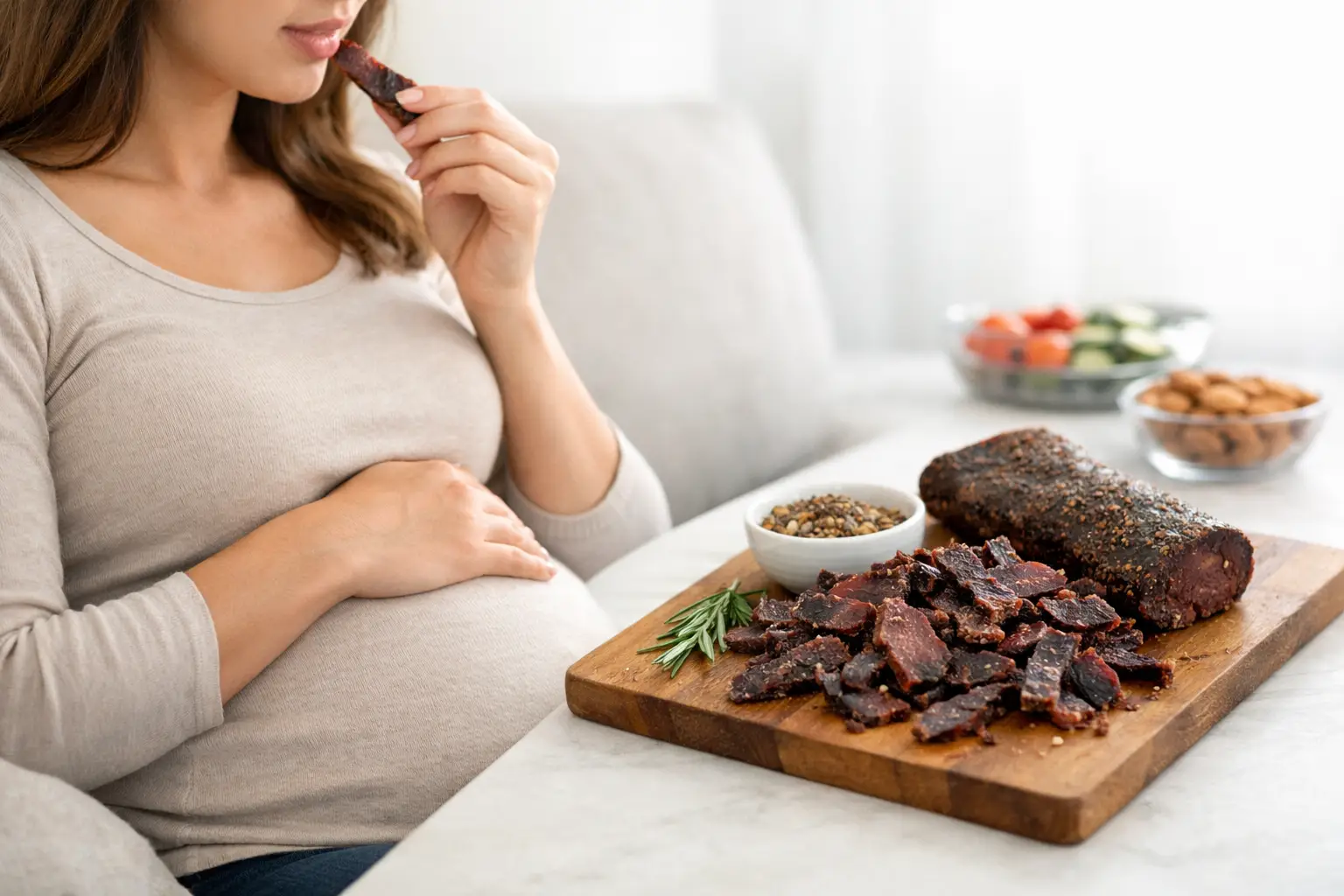
A proper piece of biltong is packed with savoury, South African-style lekkerness. But can pregnant women eat biltong? The cautious answer is no: it is best to avoid biltong during pregnancy, even when it is premium, freshly made and handled with care.
That can feel like a tough call if biltong is your go-to high-protein snack. The concern is not that biltong is somehow poor quality or lacking in nutrition. It is that drying, curing and seasoning meat are not the same as cooking it thoroughly. During pregnancy, avoiding a small but serious food safety risk is generally the sensible move.
Why pregnant women should avoid biltong
Biltong is traditionally made by curing and air-drying beef or game. Vinegar, salt, spices and careful drying create the distinctive flavour and firm texture people love, but the meat does not go through the same high-heat cooking process as a roast, steak or stir-fry.
Pregnancy changes the stakes when it comes to foodborne illness. Expecting mums are more vulnerable to infections such as listeriosis, and some foodborne germs can affect an unborn baby even when the mum feels only mildly unwell. Raw or undercooked meat can also present a risk from parasites such as Toxoplasma, as well as bacteria including Salmonella.
Australian pregnancy food safety advice is deliberately conservative around raw and undercooked meats, chilled ready-to-eat meats and foods that may support Listeria growth. Biltong sits in a category worth treating with care because it is a ready-to-eat dried meat rather than a fully cooked one.
A trusted producer, clean preparation and a fresh product all matter enormously. They help deliver the quality, flavour and consistency you expect from handcrafted biltong. Still, they cannot make a dried meat product equivalent to thoroughly cooked meat for pregnancy food safety purposes. That is why the safest approach is to save it for after the baby arrives.
Can pregnant women eat biltong if it is vacuum-sealed?
Vacuum sealing helps protect freshness and extends shelf life when a product is stored as directed. It does not cook the meat or guarantee that every possible food safety risk has been removed.
The same goes for biltong bought from a specialist, a butcher, a market stall or a supermarket. Packaging, origin and flavour do not change the basic pregnancy consideration: dried meat is not reliably heat-treated in the way that pregnancy-safe cooked meat is.
It is also wise not to assume that a product labelled as shelf-stable is automatically suitable during pregnancy. Shelf stability refers to how a product can be stored, not a blanket guarantee for every person or every health circumstance. If your midwife, GP or obstetrician has given you specific advice based on your pregnancy, that advice comes first.
What about cooked biltong dishes?
Heating biltong until it is piping hot may reduce some bacterial risks, but it is not a simple workaround to rely on. The texture and flavour can change dramatically, and home heating may not be even enough to make a dried meat snack a dependable pregnancy choice.
If biltong has been used as an ingredient in a meal that is cooked thoroughly, discuss it with your healthcare professional if you are unsure. The broader rule remains straightforward: choose meat that has been cooked right through and served hot, rather than eating dried meat straight from the packet.
This is one of those times when the conservative choice is the easy choice. There will be plenty of time for thinly sliced biltong, a proper droëwors snack and all your favourite savoury treats later on.
If you ate biltong before knowing the advice
Try not to panic. Eating biltong once does not mean that you or your baby will become unwell. Most people who eat a higher-risk food will not develop an infection. What matters is knowing what to look out for and getting timely advice if you need it.
Contact your midwife, GP or maternity care team promptly if you develop symptoms such as fever, chills, vomiting, diarrhoea, muscle aches or flu-like feelings after eating biltong or another higher-risk food. Mention what you ate and when. Your clinician can advise whether monitoring, testing or treatment is appropriate.
Seek urgent medical care for severe symptoms, dehydration, a high fever, or any concerns about reduced fetal movement later in pregnancy. Do not wait for an online article to make that call. Your maternity team knows your medical history and is best placed to guide you.
Better high-protein snack choices during pregnancy
Missing that salty, meaty snack hit is understandable. The good news is that pregnancy-safe protein does not have to be bland. Focus on foods that are freshly prepared, properly cooked and kept at the right temperature.
A hard-boiled egg with crackers, freshly cooked chicken pieces, a hot toasted sandwich with cooked fillings, or a bowl of warm leftover mince that has been reheated until steaming can all satisfy a savoury craving. Pasteurised yoghurt, cheese and milk are useful protein options too, provided they are stored correctly and within their use-by date.
For something that travels well in a handbag or desk drawer, roasted nuts, nut butter with crispbread, chickpeas, shelf-stable milk and plain wholegrain crackers are handy choices. If you enjoy fish, choose pregnancy-suitable varieties and keep an eye on the recommended limits for fish with higher mercury levels.
Snacking regularly can be especially helpful if nausea, heartburn or a growing belly makes larger meals less appealing. Pair protein with fibre-rich foods where you can: cheese with fruit, eggs with toast, or hummus with veggie sticks can keep you fuller than a quick sugary snack.
Food handling matters as much as the food
Even pregnancy-friendly foods need sensible handling. Keep cold foods cold, refrigerate cooked food promptly, and reheat leftovers until they are steaming hot all the way through. Avoid leaving cooked meat, dairy or prepared snacks in a warm car or on the kitchen bench for long periods.
Wash hands before preparing food, keep raw meat separate from ready-to-eat foods and pay close attention to use-by dates. These are simple habits, but they make a real difference when your immune system is doing extra work.
Pregnancy food rules can sometimes feel restrictive, particularly when familiar comfort foods are involved. Think of this as a short pause, not a farewell. For now, choose cooked, fresh protein snacks with confidence, and keep the biltong craving on the post-baby list - it will taste even better when the time is right.