Is Biltong Healthier Than Jerky? The Real Difference
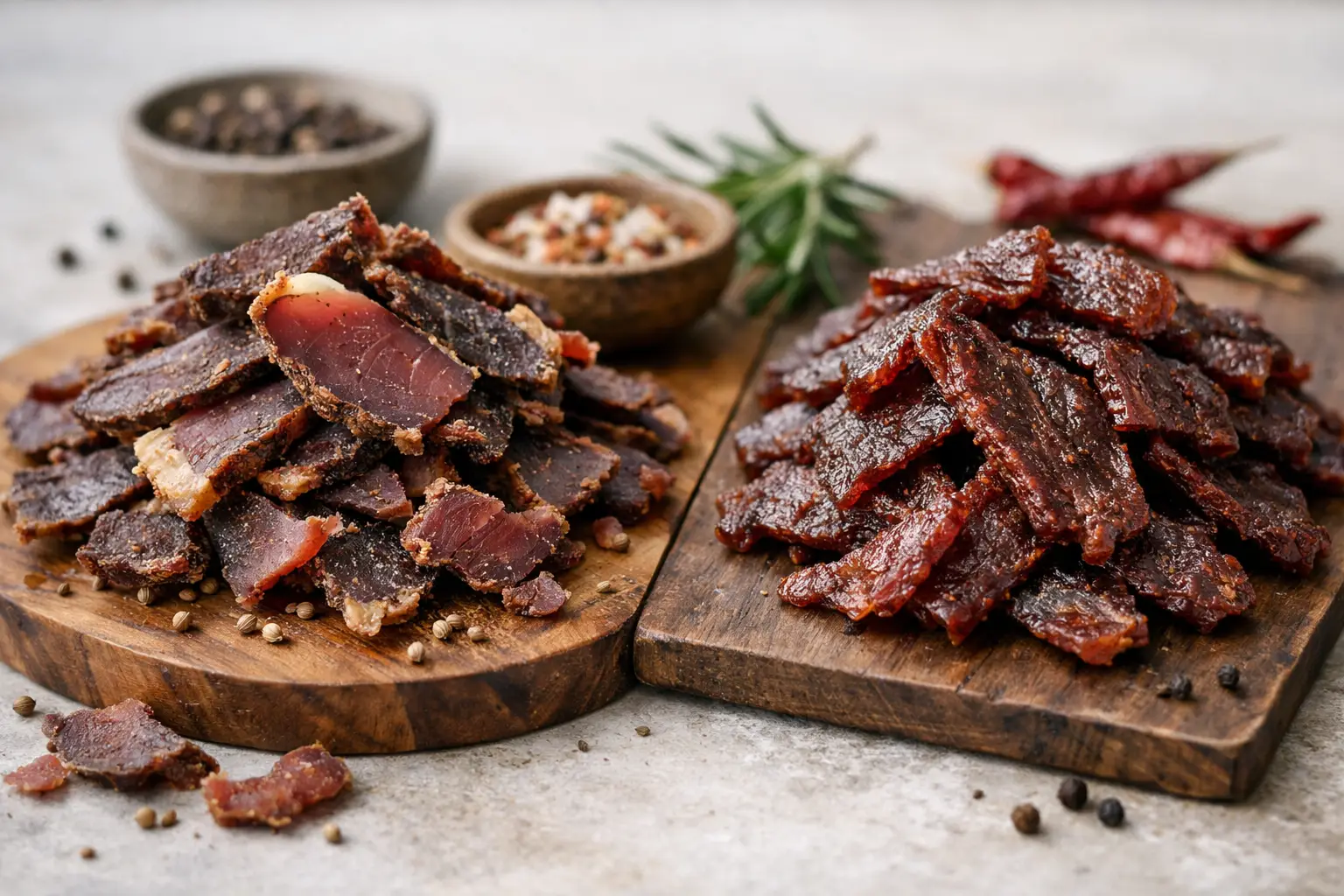
That 3 pm hunger hits differently when you want something savoury, satisfying and high in protein - not another sweet bar or a packet of chips. So, is biltong healthier than jerky? Often, it can be, particularly when you compare traditional biltong with heavily sweetened jerky. But the honest answer is in the label, the cut of meat and how much you eat.
Both are dried meat snacks with plenty to offer. Both can be convenient, protein-rich and seriously lekker. The difference comes down to their preparation, flavouring and nutrition profile.
Is biltong healthier than jerky?
Traditional South African biltong is usually made from quality cuts of beef that are cured with vinegar, salt and spices such as coriander, then air-dried. Jerky is generally marinated, often with sauces and seasonings, before being dried with heat. Neither method automatically makes one snack healthy or unhealthy, but it does shape what ends up in the bag.
Biltong often has a shorter, more recognisable ingredient list. A classic recipe may contain beef, vinegar, salt, coriander, pepper and a small amount of seasoning. Many jerky products, on the other hand, use soy sauce, sugar, syrups, flavour enhancers or preservatives to create that sweet-salty profile Australians know from supermarket shelves.
That is why biltong can be the better pick for people trying to cut back on added sugar. It is not because biltong is magic. It is because traditional recipes tend to let the meat and spices do the talking rather than relying on a sugary marinade.
Still, “biltong” on a packet is not a nutritional guarantee, just as “jerky” is not automatically a poor choice. Recipes vary wildly. Check the nutrition panel and ingredient list every time, especially if you are buying flavoured varieties.
Protein: a strong point for both snacks
Drying meat removes water, which concentrates its protein. That makes both biltong and jerky handy options when a standard snack will not keep you full for long. A modest serve can deliver a meaningful hit of protein without the preparation of cooking meat from scratch.
Protein supports muscle maintenance and recovery, and it can help make snacks more satisfying. For gym-goers, busy parents, road-trippers and anyone trying not to raid the office biscuit tin, that matters. Pairing a protein snack with fruit, veg or a handful of nuts can make it even more filling.
The exact protein amount differs between products because moisture levels, meat cuts and serving sizes differ. Do not compare only the headline number on the front of the pack. Look at protein per 100 grams and per serve, then consider how much you will realistically eat. A 30-gram portion may be enough for a desk snack; a bigger portion may suit after a long hike or training session.
Sugar is where biltong often pulls ahead
The biggest nutritional difference between biltong and jerky is commonly added sugar. Classic biltong is savoury, tangy and spiced. Some recipes include a little sugar, but it is generally not built around a sweet glaze.
Jerky marinades frequently include sugar, honey, maple, teriyaki sauce or other sweeteners. These ingredients can make jerky delicious, but they can also lift the carbohydrate and sugar content quickly. This is especially relevant for people following a lower-carbohydrate eating pattern or simply trying to avoid turning every snack into a sweet treat.
A lower-sugar biltong may also be a more useful choice when you want a snack that tastes like meat, not confectionery with a beef base. That said, low sugar does not mean eat without limits. Dried meat is concentrated food, and a little goes a long way.
What to look for on the pack
When comparing products, use the ingredient list before marketing claims. Choose a snack where meat is clearly the main ingredient, added sugar is low or absent, and the seasonings make sense to you. If the label reads more like a sauce recipe than a meat recipe, it may be closer to a flavoured treat than an everyday protein snack.
Fat and calories depend on the cut
Biltong is not always leaner than jerky. In fact, one of biltong’s great pleasures is that it can be made with a little fat left on for fuller flavour and a softer bite. Traditional South Africans will tell you that a bit of fat is part of the lekkerness.
That fat can be useful for satiety, but it also increases calories. If your goal is a leaner snack, look for lean or sliced biltong and check the fat per serve. If you want something more substantial for a long day on the road, a fattier cut may keep you satisfied for longer.
Jerky is often made from very lean cuts, so it can be lower in fat. But lower fat does not automatically mean healthier if the product is high in sugar or packed with sodium. The best choice depends on the rest of your day: your hunger, activity level, dietary needs and what else is on your plate.
Sodium deserves an honest look
Salt is essential to the flavour and preservation of both biltong and jerky. It is also the reason dried meats should be enjoyed thoughtfully, particularly for people managing high blood pressure or following medical advice to limit sodium.
There is no universal winner here. Some jerky is very salty; some biltong is too. Compare sodium per 100 grams, because serving sizes can make a high-salt product look gentler than it is. Then use the serving size as a practical guide, rather than eating straight from the bag while watching the footy.
If sodium is a concern, keep your portion sensible and balance it with lower-salt foods through the day. Dried meat works brilliantly as part of a varied diet, not as the only source of protein at every meal.
Processing matters, but context matters more
People often ask whether air-dried biltong is “less processed” than jerky. Traditional biltong uses a straightforward curing and drying process, while jerky typically involves a marinade and heat drying. That can make biltong feel closer to a simple, old-school meat snack.
But processing is not a neat good-versus-bad scale. Salting, curing, slicing and drying are all forms of processing. What matters more is the final product: the quality of the meat, the length of the ingredient list, the amount of sugar and salt, and whether it fits your usual eating pattern.
A handcrafted product made with recognisable ingredients may be a better everyday option than a highly flavoured snack with a long list of additions. It is also worth choosing dried meats from a producer that takes preparation, freshness and food safety seriously.
Biltong versus jerky: which should you choose?
Choose biltong when you want a savoury, protein-rich snack with traditional spices and potentially less added sugar. It is a particularly good fit for people who love a fuller meat flavour, prefer simple ingredients, or want a snack that feels more satisfying than a sweet marinated alternative.
Choose jerky if you genuinely prefer its smoky, chewy texture or a particular flavour profile, and you have found one with an ingredient list and nutrition panel that stack up well. The goal is not to ban jerky. It is to be selective.
For South Africans living in Australia, biltong can also be more than a snack. That familiar coriander, vinegar and spice profile carries a bit of home with it. For everyone else, it is simply a seriously good way to switch up the usual snack routine. At Steyn’s Biltong & Jerky, that tradition is kept front and centre with handcrafted dried meats made on the Sunshine Coast.
A smarter way to enjoy dried meat
Think of biltong and jerky as concentrated protein snacks, not an unlimited replacement for meals. Start with the stated serve, eat it slowly and notice whether you are actually hungry or just grazing. Add it to a lunchbox with cheese and fruit, take it in the ute for a long drive, or keep a pack handy after training when convenience matters.
If you are comparing two packets, the better choice is usually the one with quality meat first, less added sugar, sensible sodium and a flavour you will enjoy without demolishing the whole bag. Traditional biltong often makes that decision easier - and when the craving calls for proper savoury lekkerness, that is a win worth chewing over.