Premium Jerky Buying Guide for Better Snacks
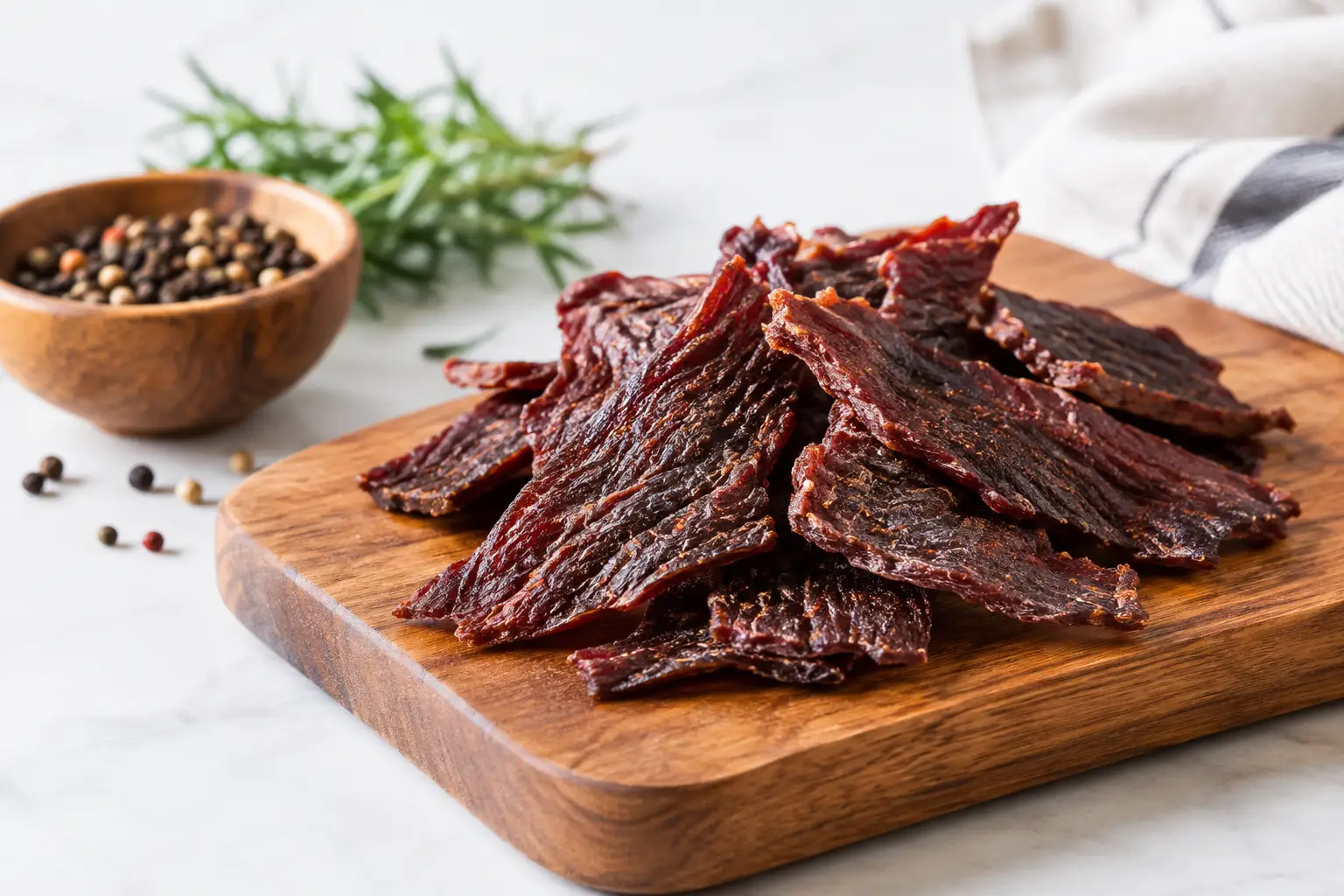
A packet can say “premium” and still deliver tough strips, loud seasoning and a finish that tastes more like sugar than meat. This premium jerky buying guide cuts through the shiny packaging so you can choose a snack with proper texture, confident flavour and the kind of quality worth coming back for.
Premium Jerky Buying Guide: Start With the Meat
Great jerky begins with meat that tastes like meat. That sounds obvious, but it is the quickest way to separate a considered product from one hiding behind smoke flavour, heavy marinades or a long list of extras.
Look for a clear description of the cut and a product that feels deliberately made rather than endlessly processed. Premium jerky should have visible grain, a natural variation between pieces and a satisfying chew. Every strip will not be identical, and that is usually a good sign. Handcrafted products have character.
The meat should also be the main event when you open the bag. Seasoning is there to lift the flavour, not bury it. If the first impression is overwhelmingly sweet, aggressively salty or oddly artificial, the product may be doing too much to compensate for less memorable meat.
Read the ingredient list with common sense
You do not need to turn every snack purchase into a research project. A quick scan tells you plenty. Shorter, recognisable ingredient lists often point to a more straightforward jerky experience, while a lengthy list can signal that the flavour is being built in a laboratory rather than a butcher’s kitchen.
That does not mean every extra ingredient is a deal-breaker. A little vinegar, spice, garlic, chilli or a touch of sweetness can create a brilliant finish. The question is whether those ingredients support the beef or take over the whole show.
Pay attention to the order, too. Ingredients are generally listed from greatest to least amount. You want the meat up front, followed by a sensible blend of seasonings that suits the flavour promised on the packet.
Texture Is Where Premium Jerky Shows Its Quality
Jerky is meant to have chew, but there is a world of difference between a satisfying bite and something that feels like it has been left in the glovebox since last summer. Premium jerky should be dry enough to hold its shape and travel well, yet not so dry that every piece splinters or turns into hard work.
Thickness matters. Thin strips tend to be crisper, quicker to eat and more marinade-forward. Thicker cuts usually offer a fuller, meatier chew and let the natural flavour come through. Neither is automatically better. It depends on whether you want something punchy for the road or a snack to take your time with at your desk, on the golf course or around the firepit.
Grain direction makes a difference as well. Jerky cut with the grain has more resistance and a longer chew. Jerky cut across it is generally easier to bite through. A quality producer chooses the cut intentionally rather than treating texture as an afterthought.
When buying online, product photos can help, but descriptions matter more. Look for details on strip style, thickness and whether the jerky is soft, traditional, tender or extra dry. Vague claims such as “irresistible” tell you very little. Specifics are a better sign that the maker knows their craft.
Choose Flavour That Has Somewhere to Go
The best flavours arrive in stages. First comes the meat, then the seasoning, followed by a clean finish that makes you reach for another piece. Premium jerky does not need to shout from the first bite.
Classic pepper, chilli, smoky barbecue and garlic all have their place, but balance is everything. Pepper should bring warmth and fragrance, not leave a dusty coating. Chilli should build pleasantly, not flatten every other flavour. Smoky styles should taste rounded rather than like a campfire got into the packet.
Sweet jerky deserves a closer look. A little sweetness can round out spice and salt beautifully, particularly in barbecue-style recipes. Too much, though, can make the snack sticky, cloying and forgettable. If you prefer a more savoury, old-school profile, choose flavours that put spices and meat ahead of syrupy notes.
For South Africans living in Australia, flavour is often about more than preference. It is about that familiar savoury hit that takes you straight back to a padstal stop, a family braai or the snack drawer at home. If that is the experience you are chasing, seek out producers who respect traditional flavour profiles rather than simply putting a South African label on generic jerky.
Do Not Confuse Jerky With Every Dried Meat Snack
If you enjoy dried meat, it is worth choosing the product that suits the moment. Jerky is often sliced into strips and delivers a seasoned, chewy bite. Biltong is typically cut differently and has its own distinct texture, seasoning style and eating experience. Droëwors brings the savoury satisfaction of dried sausage, while cabanossi offers a firmer, fuller-bodied option.
There is no need to pick one camp forever. A mixed order makes sense when you are sharing, gifting or trying to work out your personal favourite. Jerky can be ideal when you want strips with bold flavour, while biltong may be the better call when you are after a more traditional South African snack moment.
That variety is part of the lekkerness. Premium dried meat should never feel like a one-note snack cupboard.
Judge Value by the Eating Experience, Not Just the Bag Price
A cheap packet is not always good value if it is mostly tiny fragments, thick glaze or a flavour you tire of after three bites. On the other hand, the most expensive bag is not automatically the best either. Premium should show up in the meat, texture, seasoning and consistency.
Check the pack weight, then think about how and when you will eat it. A larger bag may be better value for family movie night, a weekend away or the office snack stash. Smaller packs can be a smarter choice when you are trying a new flavour or putting together a gift.
Freshness is also part of value. Look for a clear best-before date and packaging that is properly sealed. Once opened, follow the storage directions on the label so the texture stays as the maker intended. Leaving an open bag in a hot car is a fast way to spoil a good snack session.
A Quick Premium Jerky Check Before You Buy
When comparing a few options, use this simple check:
- The product clearly puts meat and flavour style front and centre.
- The ingredient list supports the meat instead of disguising it.
- The description tells you something useful about texture or cut.
- The flavour sounds balanced, not built around sweetness or novelty alone.
- The producer gives clear pack, storage and delivery information.
That last point matters when ordering online. Quality product is only half the experience. You also want a producer that packs carefully, communicates clearly and gets your order moving without fuss. For Australians ordering specialty dried meats, reliable express delivery can make the difference between planning ahead with confidence and wondering where your snack stash has gone.
Buy From a Specialist Who Cares About the Details
A dedicated dried-meat maker has more to lose than a supermarket brand when a batch is average. Their reputation sits in every strip, every flavour and every repeat order. That is why specialists tend to be more open about their product style and more focused on consistency.
Steyn’s Biltong & Jerky brings that specialist mindset to handcrafted South African-style dried meats made on the Sunshine Coast and sent Australia-wide. It is the kind of approach that suits buyers who want genuine flavour without having to settle for whatever happens to be on the servo shelf.
Your best premium jerky choice is the one that fits your taste, your preferred chew and the occasion. Start with a flavour you already know you enjoy, pay attention to the details, and leave room in the cart for something new. That is how a simple snack order turns into proper savoury lekkerness.