South African Sausage Varieties Guide for Aussies
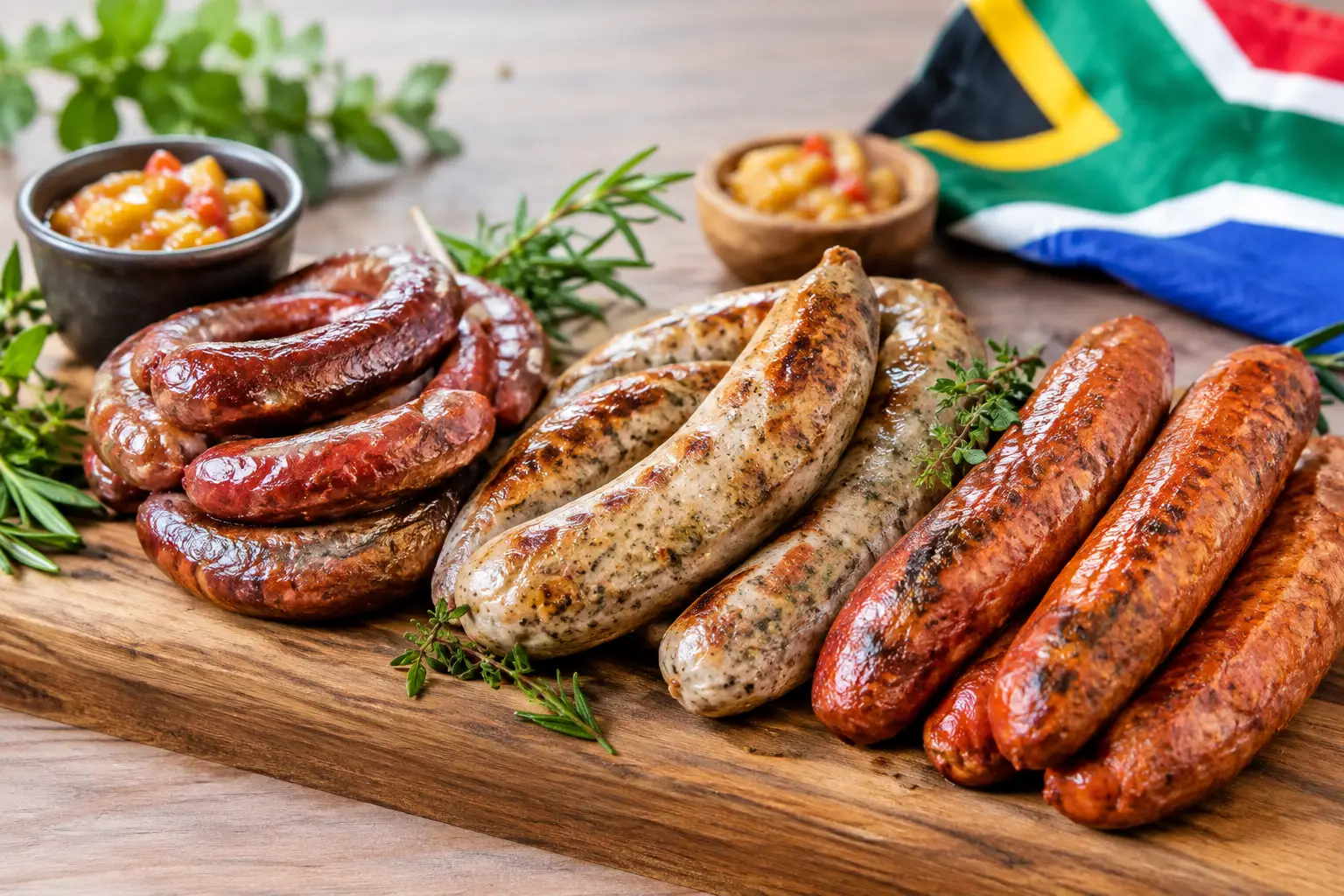
A good braai can turn on one coil of sausage. That first crackle over the coals, the scent of coriander and spice, the debate over whether it needs a roll or deserves the plate all to itself - that is serious lekkerness. This South African sausage varieties guide helps Australian shoppers tell the classics apart, choose the right one for the occasion and serve each style with the respect it deserves.
South African sausage is not one flavour or one format. Some varieties are built for a long, relaxed braai. Others are cured and dried for the road, the rugby, the desk drawer or a grazing board that needs more character than ordinary crackers and cheese. Their common thread is a confident use of seasoning, quality meat and a tradition that makes food feel like a gathering.
The South African sausage varieties worth knowing
Boerewors: the braai essential
Boerewors is the centrepiece when the fire is lit. Its familiar spiral is made for the grill, whether you cook it in one proud coil or portion it after resting. A good boerewors has a generous, meaty texture and a warm spice profile where coriander is often the calling card. Pepper, cloves and nutmeg may sit in the background, bringing depth rather than turning the sausage into a spice bomb.
This is the variety to choose when the food needs to feed a crowd and carry the occasion. Serve it in a fresh roll with onion and tomato relish for an easy boerewors roll, or plate it beside pap, chakalaka and a bright salad. It is also excellent sliced into a breakfast fry-up, although many South Africans would argue that leftover braai wors is too good to waste before lunch.
There is a trade-off with boerewors: it wants your attention. Keep the heat moderate, turn it gently and do not prick the casing. Piercing it sends flavourful juices into the coals and can leave the sausage dry. Give it time, then rest it briefly before cutting.
Droëwors: big flavour, no fire required
Droëwors is where sausage becomes a grab-and-go South African ritual. Traditionally made in thinner lengths and dried, it has a satisfying snap and a concentrated savoury character. The seasoning is often related to boerewors, particularly coriander, but drying changes the experience completely. The result is firmer, more aromatic and wonderfully moreish.
For Australian households, droëwors earns its place where fresh sausage cannot. Keep it handy for a road trip, take it to a mate's place, add it to a grazing spread or put a bowl out before the braai gets going. It suits casual entertaining because guests can pick at it without plates, cutlery or a cooking schedule.
Texture matters when choosing droëwors. Some people love it dry and firm, with a pronounced chew. Others prefer a softer finish. Neither is automatically better. It comes down to how you like your dried meat and whether it is being eaten straight from the pack or sliced for a platter. A carefully crafted batch should still taste balanced: savoury meat first, spice clearly present, no harsh saltiness taking over.
Wors: the broad family name
In Afrikaans, wors simply means sausage. In everyday conversation, however, it can point to several styles depending on the home, butcher or region. You might hear someone refer to wors when they mean the coil for the braai, while another person uses it more broadly for a favourite sausage selection.
That is why labels and ingredient cues are more useful than making assumptions. If you want the classic braai experience, look for boerewors. If you want a dried, snackable sausage, look for droëwors. If a product is called wors without much detail, check whether it is intended for cooking or eating as a dried sausage before planning your meal.
This small bit of language is part of the charm. South African food is full of family shorthand, regional preferences and spirited opinions. Asking for clarification is not getting it wrong - it is how you find the version you will come back for.
Cabanossi: the smoky cousin on the snack table
Cabanossi has its roots in Central European sausage traditions rather than being uniquely South African, yet it has become a familiar favourite alongside biltong and droëwors in many South African-style snack selections. It is usually thinner than boerewors, cooked or smoked, and has a smooth, springy bite with a gentle smoky savouriness.
Its role is different from droëwors. Where droëwors brings coriander-led dried sausage character, cabanossi adds a softer chew and a more openly smoky note. Put both on the same board and you give people a genuine choice rather than two versions of the same snack.
Cabanossi works well sliced for platters, tucked into lunchboxes or served whole with a cold drink while the braai is warming up. It is also a handy option for people who prefer a milder spice profile. If the table includes biltong, droëwors and cabanossi, arrange them separately so each flavour can stand on its own before everyone starts mixing favourites.
Choosing the right sausage for the moment
The simplest decision is whether you are cooking for a shared meal or serving something ready to enjoy. Boerewors belongs with heat, company and a proper meal plan. Droëwors and cabanossi are at their best when convenience matters, but convenience should not mean boring. They bring plenty of personality to a picnic, a footy gathering or the mid-afternoon snack cupboard.
Think about flavour, too. Coriander-forward seasoning feels unmistakably South African and is often the right starting point for anyone craving a traditional braai taste. Smoky cabanossi can be the gentler entry point for friends unfamiliar with South African flavours. Droëwors sits in the middle in a useful way: recognisably spiced, easy to share and packed with the character that keeps expats reaching for another piece.
For a crowd, variety beats excess. One braai sausage, one dried sausage and one smoky option create contrast in texture, temperature and flavour. It also gives hosts an easy way to include newcomers without diluting the South African spirit of the spread.
Serving ideas that let the sausage lead
Boerewors does not need fussy treatment. A soft roll, caramelised onion, tomato relish and a little mustard make a top-tier boerewors roll. For a sit-down braai, serve it with pap and chakalaka, plus something fresh and sharp to cut through the richness. Keep the portions generous and the sides uncomplicated.
Droëwors rewards restraint. Set out short pieces with good cheese, pickles, dried fruit and crackers, or simply place a bowl beside the drinks. Cutting it too finely can make it disappear into the platter. Leave enough length for that distinctive chew and for people to recognise what they are eating.
Cabanossi is the easy bridge between snack and entertaining food. Slice it on the diagonal, pair it with a tangy relish or add it to a board beside droëwors for contrast. If you are building a gift box, it is a crowd-pleasing addition because it feels familiar while still sitting naturally among South African favourites.
A note on authenticity and personal taste
There is no single sausage that wins every South African debate. One family wants their boerewors richly spiced; another wants the meat to be more prominent. Some droëwors lovers want a dry, firm bite, while others chase a softer chew. That variation is not a flaw in the tradition. It is proof that the tradition is alive.
The best approach is to start with the occasion, then follow your taste. Choose boerewors when the coals are ready, droëwors when the day calls for a proper savoury snack, and cabanossi when a smoky, easy-going option belongs on the table. For handcrafted South African-style favourites made on the Sunshine Coast, Steyn's Biltong & Jerky brings that familiar spirit to households right across Australia.
Put out more than one variety at your next get-together, let people find their favourite, and keep a little aside for yourself. The best sausage spread is the one that empties slowly because everyone is enjoying the yarn as much as the flavour.