Sunshine Coast Biltong Production Done Properly
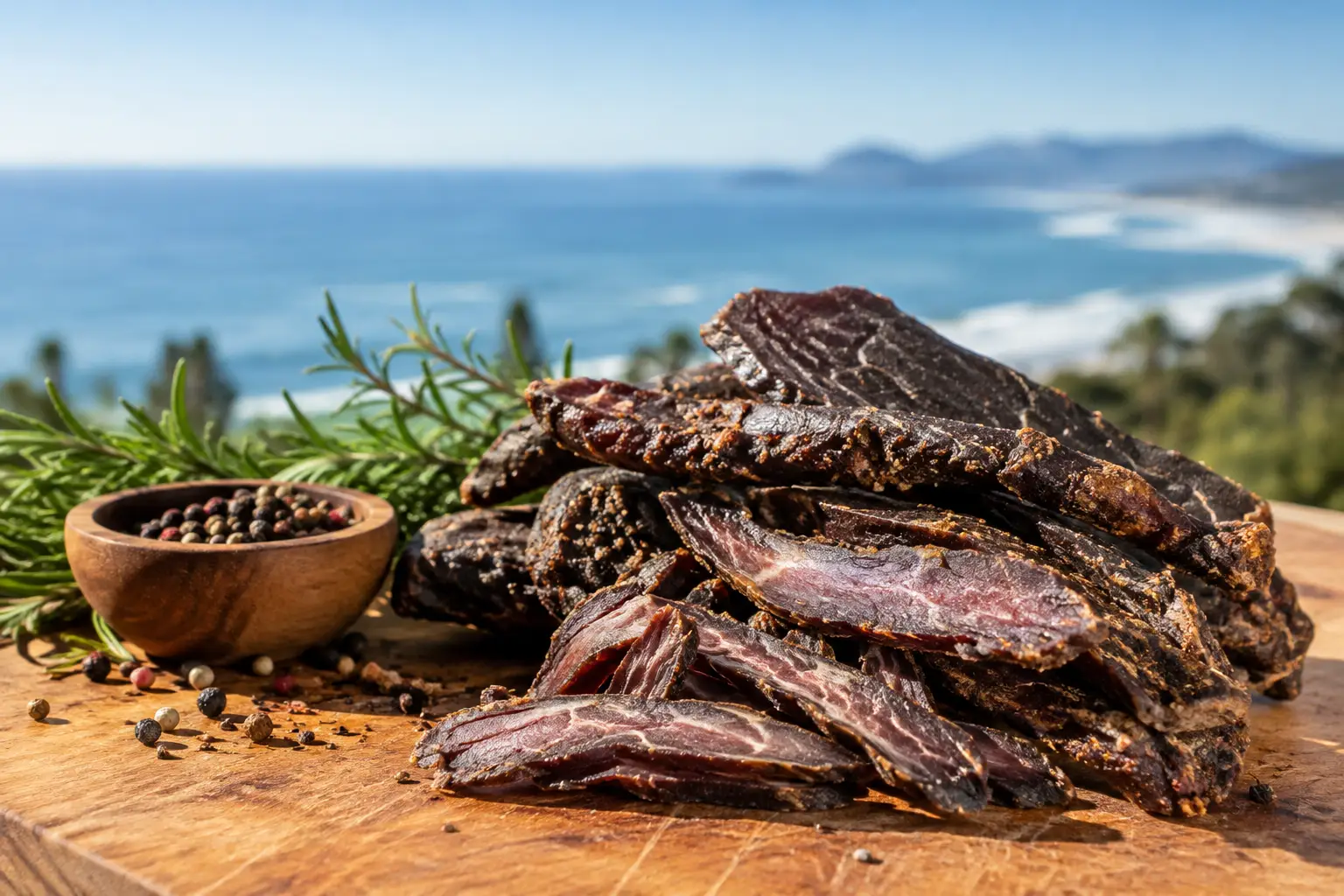
A great bag of biltong should not feel like a compromise made for convenience. It should carry proper character from the first slice - rich seasoning, a satisfying texture and the familiar, unmistakable taste that South Africans know well. That is the standard behind Sunshine Coast biltong production when it is done with genuine care.
For us, local production is not just a line on a label. It is the difference between making dried meat as a commodity and making it as something worth sharing. It means staying close to the product, respecting the tradition behind it and keeping the final result worthy of the word lekker.
Why local production changes the standard
There is no shortage of meat snacks on the shelf. Many are engineered for broad appeal, packed into standard formats and designed to sit unnoticed beside a dozen similar options. Biltong deserves more than that.
Producing locally on the Sunshine Coast gives a specialist maker the chance to focus on the details that customers actually notice. The cut needs to feel right. The flavour needs depth rather than a blunt hit of seasoning. The finish needs to be consistent enough that customers can confidently come back for their favourite style.
That attention matters whether you are an expat chasing a proper taste of home, a regular biltong buyer with high standards or someone putting together a more interesting snack table for the weekend. Premium dried meat is personal. Everyone has a preference - sliced or chunkier, gentler seasoning or a little more spice, firmer texture or something with more give.
A local producer can make room for those preferences instead of forcing every customer into one generic idea of what biltong should be.
Sunshine Coast biltong production is about control, not shortcuts
Good production is often quiet. It is found in the decisions made before a product reaches the packet: choosing quality meat, keeping batches closely managed, using seasoning with purpose and refusing to rush the character out of the product.
That does not mean every biltong needs to taste identical. In fact, part of the appeal is that handcrafted food has personality. A particular batch may show a little more of the spice profile, or a preferred cut may carry flavour differently from another. The goal is not bland uniformity. It is a recognisable standard that still feels made by people who care about the result.
There is a trade-off here. Mass production can offer scale, but scale alone does not create soul. A smaller, hands-on operation has to earn trust through consistency, care and a product that lives up to the packet every time. That is why the best producers stay focused on the fundamentals rather than chasing novelty for its own sake.
The same thinking applies across the range. Droëwors should have its own proud place at the table, cabanossi should deliver its distinct savoury bite and jerky should not pretend to be biltong. Each product has a different personality. Treating them properly is part of respecting the customer who knows the difference.
South African heritage needs more than a flag on the packet
Authenticity is easy to claim and much harder to deliver. It is not a decorative badge or a few familiar words added to generic dried meat. It comes through in the confidence of the flavour, the restraint to let good meat speak for itself and the understanding that biltong is tied to memory as much as appetite.
For many South Africans in Australia, opening a packet can bring back a braai with family, a road trip, a stop at the local butcher or a kitchen cupboard that never stayed full for long. Those memories set a high bar. A product that calls itself South African-style needs to feel believable, not merely inspired by the idea.
At the same time, heritage should welcome new customers in. Plenty of Australians have discovered biltong because a mate brought some around, because they tried it at a gathering or because they wanted a more distinctive savoury snack than the usual options. They do not need a history lesson. They need a product with enough quality and flavour to make the first bite memorable.
That balance is the sweet spot: honour the tradition without turning it into theatre. Keep the flavours true, make the experience approachable and let the product do the talking.
Freshness is a production decision
Freshness does not begin at delivery. It starts with the way a producer plans stock, manages batches and prepares orders. When products are made locally and sent directly to customers, there are fewer unnecessary layers between the maker and the person enjoying the final pack.
That direct connection matters for online customers. Ordering specialty food should feel straightforward, whether you are sending a gift to Brisbane, topping up the snack cupboard in Noosa or arranging a regular order elsewhere in Australia. You want to know that the product has been handled with attention, packed properly and sent on its way without sitting around as an afterthought.
Express delivery is useful, but it is only one part of the experience. The real value sits behind it: a producer who understands that customers are not buying an anonymous packet. They are buying a familiar flavour, a little piece of tradition or a seriously good snack to share.
What separates premium biltong from a generic snack
The quickest test is not the marketing copy. It is whether the product feels deliberate.
Look for a clear point of view in the flavour. Traditional seasoning should taste balanced, not overwhelmed by sweetness or artificial-tasting smoke. Look for a texture that suits the cut and feels enjoyable to eat, rather than something dried into submission simply to meet a shelf-life target.
Pay attention to the range as well. A dedicated dried-meat producer understands that different occasions call for different choices. Biltong might be the first thing opened during the footy, droëwors might disappear around the fire pit and cabanossi can be the dependable crowd-pleaser for a road trip or gathering. The products should feel related, but never interchangeable.
Finally, consider whether the brand speaks with real confidence about its craft. Steyn's Biltong & Jerky is built around handcrafted South African-style dried meats made locally on the Sunshine Coast, then sent to customers around Australia. That combination of heritage and proximity is not a gimmick. It gives customers a practical way to enjoy proper biltong without settling for a supermarket imitation.
The best kind of local is worth sharing
Sunshine Coast production is not about making biltong local at the expense of its roots. It is about giving a proud South African tradition a proper home here, with the care, freshness and flavour it deserves.
Next time you choose dried meat, choose the one that feels made with conviction. Keep a pack ready for visitors, send one to someone who misses home or save it for the moment when only a bit of real lekkerness will do.