Australian Biltong Flavour Guide for Every Bite
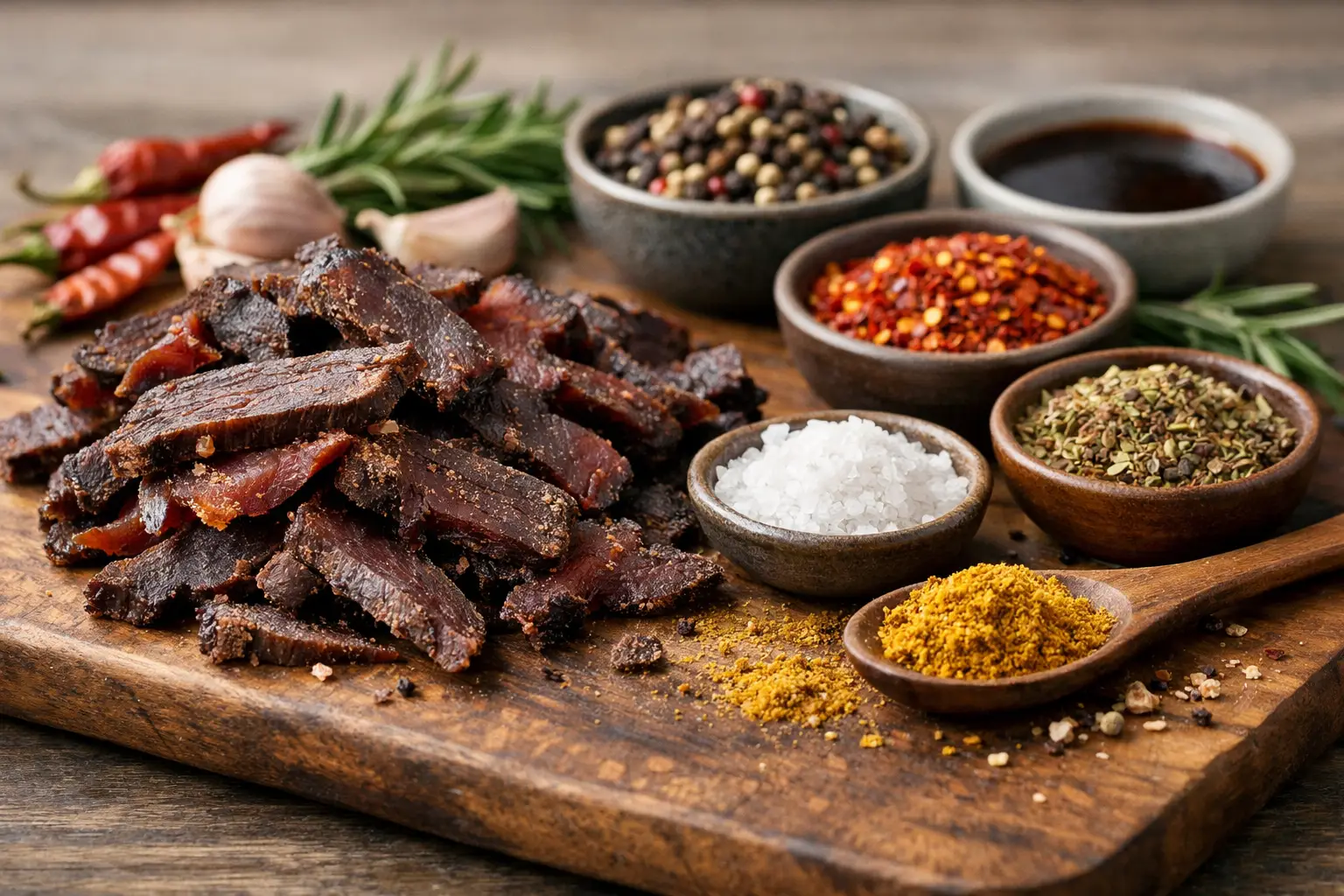
A proper Australian biltong flavour guide starts with one simple truth: biltong is not just dried beef. It is a South African tradition built on quality meat, a distinctive vinegar-and-spice cure, patient drying and a seriously satisfying savoury finish. The cut, the fat, the seasoning and the moisture level all shape what lands on your palate.
For some, the best biltong is the familiar taste of home - peppery, gently tangy and rich with coriander. For others, it is a premium protein snack with more character than ordinary jerky. Either way, knowing the flavour profiles makes choosing your next bag a whole lot more lekker.
What Gives Biltong Its Signature Flavour?
Traditional biltong gets its character before it ever reaches the drying room. Beef is cured with vinegar, salt and spices, most notably coriander, then dried slowly to build depth rather than simply remove moisture. That curing process gives biltong its recognisable savoury tang, while the natural beef flavour remains firmly at the centre.
Coriander is a key player, but it should not take over. In a well-balanced piece of biltong, it brings warm, citrusy spice that lifts the meat instead of masking it. Black pepper adds a gentle bite, salt rounds out the beef, and vinegar delivers the subtle sharpness that makes traditional South African-style biltong taste so moreish.
Fat matters too. A little marbling carries flavour and gives biltong a richer, softer finish. Leaner pieces can feel cleaner and more direct, with the seasoning and beefiness coming through sharply. Neither is automatically better - it depends whether you prefer a full-bodied chew or a lean, snackable bite.
Traditional Biltong: The Benchmark Flavour
If you are new to biltong, traditional seasoning is the best place to start. Expect beef first, followed by earthy coriander, black pepper and a restrained vinegar tang. It is savoury without being sugary, aromatic without being overpowering, and made for people who want the classic experience.
Traditional biltong is also the most versatile choice. It works just as well during a long drive as it does on a grazing board with sharp cheddar, pickles and crusty bread. South African expats often chase this flavour for its familiarity, while first-timers tend to appreciate how different it tastes from heavily sweetened supermarket jerky.
The finish can vary with moisture level. Wetter biltong has a softer texture and a fuller, almost buttery beef flavour. Drier biltong is firmer, more concentrated and often a touch saltier on the palate. If you like a substantial chew, lean towards dry. If tenderness is the priority, choose a moist cut.
Why Coriander Is So Important
Coriander seed gives biltong its unmistakable South African accent. It is not the fresh green herb flavour some people expect. When crushed and cured with beef, coriander seed becomes warm, nutty and faintly citrusy. It balances the richness of the meat and helps create that aroma you notice as soon as the bag opens.
A great traditional blend uses coriander with restraint. Too little, and the biltong can taste like plain dried meat. Too much, and it becomes perfume-like. The sweet spot is a confident spice note that lets the quality of the beef do the talking.
Chilli Biltong: Heat With Purpose
Chilli biltong is for snackers who like their savoury snacks to bite back. The best versions build warmth gradually instead of blasting away every other flavour. You should still taste the cured beef and traditional spice base before the chilli settles on the tongue.
Heat levels are personal. A mild chilli biltong is an easy step up from traditional and suits people who want extra zing without a fiery finish. Hotter options are ideal for those who reach for chilli sauce at every braai, but they can make it harder to pick up the nuance of the cure.
Chilli also changes how biltong pairs with drinks and food. A cold lager, crisp sparkling water or a creamy cheese can soften the heat nicely. If you are serving it on a platter, keep a traditional option alongside it so everyone has a flavour they can enjoy.
Garlic and Smoky Notes: Bigger, Bolder Profiles
Garlic biltong brings a rounded savoury punch. Rather than the sharpness of raw garlic, expect a deeper, seasoned warmth that sits naturally with beef. It is a brilliant choice for people who love classic savoury flavours and want something familiar with more presence than traditional spice alone.
Smoky profiles, when used with care, give biltong a barbecue-style richness. This is where the line between biltong and jerky can feel closer, but the curing and drying method still sets biltong apart. Smoke can add a campfire-like aroma and a hearty finish, especially appealing for road trips, footy afternoons or a weekend away in the ute.
These bigger flavours are not always the right choice for purists. If you are craving the taste you remember from a South African butcher, traditional coriander and pepper may be the one. But garlic and smoky biltong offer a fun way to broaden the rotation without losing the handcrafted meat quality that matters.
Biltong Versus Jerky: Why They Taste Different
Biltong and jerky may sit in the same snack drawer, but their flavour profiles are usually miles apart. Jerky is commonly sliced thin, marinated and dried with sweeter, smokier or sauce-driven flavours. Biltong is generally thicker-cut, vinegar-cured and spice-led, with a more natural beef-forward character.
That does not mean one is better than the other. Jerky is often ideal when you want bold marinades and a firmer chew. Biltong suits the person after a richer, less sugary meat snack with a traditional spice profile. The real win is having both options on hand, depending on the mood.
At Steyn's Biltong & Jerky, that distinction is part of the lekkerness: handcrafted South African-style dried meats made locally on the Sunshine Coast for proper flavour, not bland convenience.
How to Choose Your Biltong Flavour
Start with how adventurous you are with spice. Traditional is the clear choice if you want to understand biltong at its most authentic. Choose chilli if you enjoy heat and want a stronger finish. Garlic is a safe bet for savoury snack lovers, while smoky flavours suit barbecue fans and those moving across from jerky.
Then think about texture. A moist, fattier biltong can make a simple traditional seasoning feel luxurious and substantial. A drier, leaner style often works beautifully with chilli or garlic because it delivers a more concentrated hit with each bite. If you are ordering for a group, mixing flavours is the easiest way to cover both the traditionalists and the heat seekers.
Freshness also counts. Biltong is at its best when the beef, cure and drying process are treated with respect. The flavour should be clean and confident, never overly sweet, oily or artificial. Open the bag, take in the aroma and let the first piece tell you what style you will reach for next.
Make Your Next Bite Count
There is no need to overthink it, but there is plenty to enjoy in the detail. Start with traditional biltong, add a chilli option when you want heat, and keep a bolder garlic or smoky flavour for the days a plain snack simply will not do. A good bag of biltong turns a quick protein hit into a small taste of South African heritage - and that is worth savouring.