What Makes Beef Jerky a Great Meat Snack?
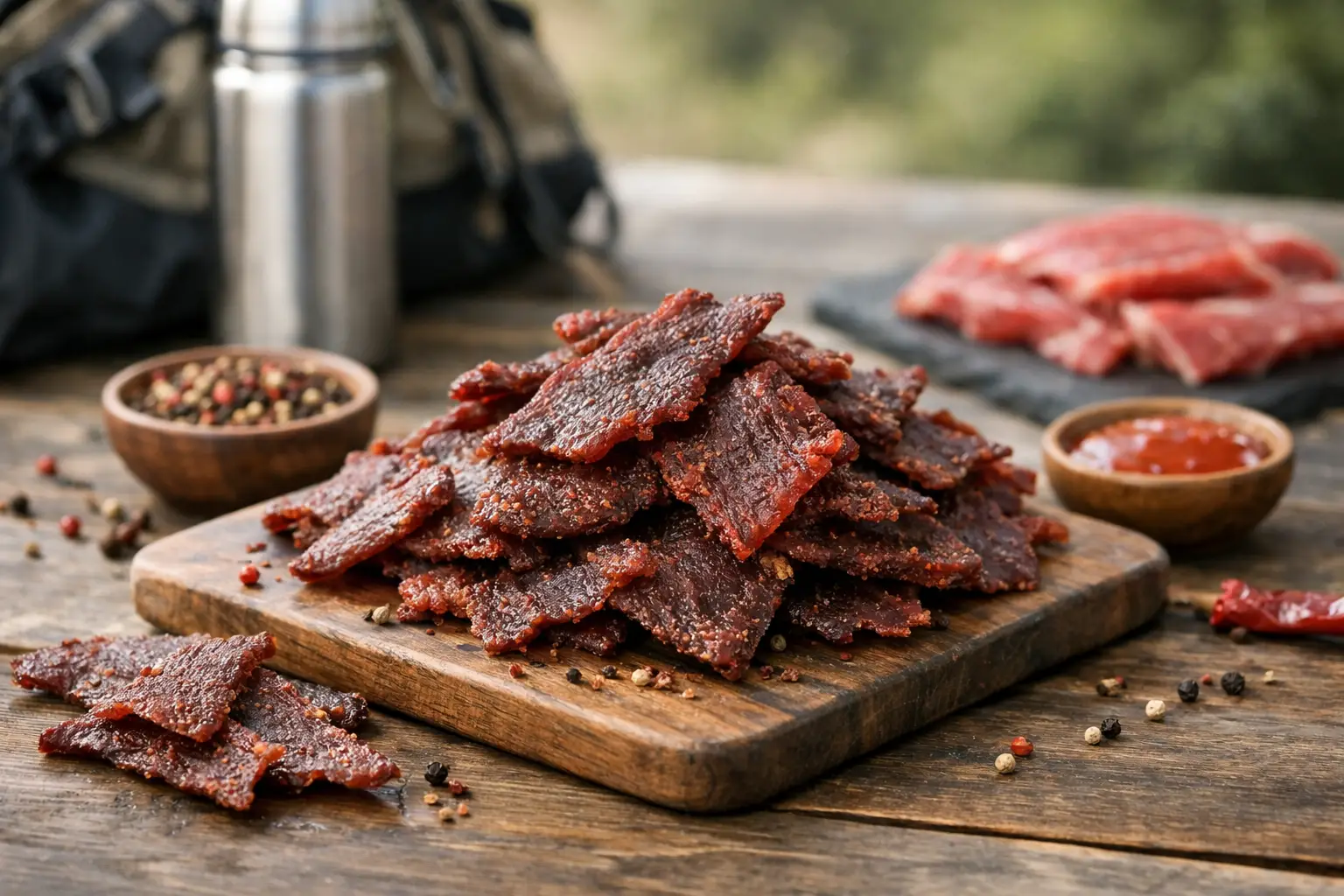
A good bag of beef jerky earns its place in the glovebox, work drawer or hiking pack because it does not ask much of you. Tear it open, enjoy the savoury hit, and get on with your day. But not all jerky delivers the same experience. The cut of beef, seasoning, drying method and freshness all show up in the final chew.
For meat snack lovers, that difference matters. Great jerky should taste like beef first, with spice, smoke or sweetness playing a supporting role. It should be satisfying without feeling like hard work, and it should bring proper flavour to the moment - whether that is a long drive, a post-gym snack or a quiet arvo with a cold drink.
What Is Beef Jerky, Exactly?
Beef jerky is beef that has been seasoned and dried to reduce moisture. Drying helps preserve the meat and creates the concentrated, rich flavour jerky is known for. Depending on the recipe, the beef may be marinated with salt, spices, pepper, chilli, soy-based flavours, smoke or a touch of sweetness before drying.
That sounds simple, but the result can vary wildly. Some jerky is soft and lightly chewy; some is dry, firm and made for a slower chew. Some recipes lean smoky and peppery, while others go sweet, hot or intensely savoury. There is no single perfect style. The right one depends on whether you prefer a tender snack straight from the packet or a more traditional, toothsome strip of dried meat.
The best versions are balanced. The seasoning should lift the beef rather than bury it, while the texture should feel deliberate rather than uneven or stale.
Beef Jerky Starts With the Cut
A quality jerky maker begins with lean beef. Excess fat can shorten shelf life because fat does not dry or store in the same way as lean meat. Lean cuts give jerky its familiar bite, take seasoning well and dry more consistently.
Slicing also matters. Beef cut with the grain generally creates a firmer, more traditional chew. Slicing across the grain can make each piece easier to bite through. Neither approach is automatically better, but it changes the eating experience. If you have ever opened two bags of jerky and wondered why one feels tender while the other asks for more jaw work, the slicing direction may be part of the answer.
Thickness is another balancing act. Thin pieces dry faster and can turn crisp at the edges. Thicker pieces can hold more tenderness, but they need careful drying to ensure a consistent finish. Handcrafted jerky often has a little natural variation from piece to piece. That is part of the character, provided the meat is properly prepared and tastes fresh.
Flavour Should Have a Point of View
Jerky is a snack with personality. Plain salt and pepper can be brilliant when the beef is excellent, but a good spice blend gives the product its own reason to come back for another piece.
Peppery jerky offers a clean, savoury warmth that suits nearly everyone. Chilli jerky can build from a gentle tingle to proper heat, so check the description if you are not chasing a scorched tongue. Smoky varieties are a natural choice for barbecue fans, while sweeter blends can work beautifully when the sugar is restrained enough to let the meat remain centre stage.
Be wary of flavour that feels overly loud or artificial. A sticky, sugary coating may taste exciting for the first bite, yet become cloying quickly. Similarly, heavy smoke can hide the quality of the meat. A premium snack should hold its own without relying on a wall of seasoning.
For South Africans in Australia, jerky also occupies an interesting place beside biltong. Both are dried beef snacks, both are deeply satisfying, and both are built for people who appreciate real meat and real flavour. Yet they are not interchangeable. Jerky is commonly marinated and dried with a more pronounced seasoning profile, while traditional biltong is typically cured with vinegar, salt and spices before air drying in larger pieces. Jerky often has a firmer chew; biltong is often softer and sliced to order or packed in pieces.
That is not a contest. It is a very lekker problem to have two great styles of dried meat ready for snacking.
Texture Tells You Plenty
Texture is where personal preference really takes over. Some people want jerky that pulls apart in long fibres and keeps them chewing. Others want tender pieces that are easy to enjoy between meetings, on the school run or while watching the footy.
Fresh jerky should not feel wet or greasy, but neither should it seem brittle, dusty or unpleasantly hard. It should have a dry surface and a pleasantly yielding centre, depending on the style. If a packet contains a few firmer pieces, that is not necessarily a problem. Meat is a natural product, and variations in thickness can create slight differences in chew.
What matters is overall consistency and flavour. The meat should smell savoury and appetising when opened, not sour or rancid. Store it according to the pack instructions and keep an eye on the best-before date. Once opened, reseal it well where possible and avoid leaving it in a hot car or direct sun. Your ute might be built for adventure, but a summer dashboard is no place for a premium meat snack.
How to Choose Better Beef Jerky
Start by looking for a product that is clear about what it is selling. You want beef to be the hero, a flavour profile that sounds appealing, and a maker that treats preparation as more than an afterthought. Ingredient lists are worth reading, particularly if you have dietary requirements or prefer less sweetness, lower heat or a simpler seasoning style.
Then consider when you plan to eat it. A softer, more tender jerky may suit desk snacking and family road trips. A firmer, intensely flavoured style can be ideal for hiking, fishing or stretching out with a beer at the end of a big day. If you are buying for a gift, variety is usually the smart move. Different flavours turn a good snack into a proper tasting session.
Price is part of the decision too. Premium jerky can cost more than a standard supermarket packet because quality beef, careful trimming, seasoning and drying take time. That does not mean every expensive bag is better, but very cheap jerky can signal compromises in meat quality, portion size or flavour. Look for value in the eating experience, not just the sticker price.
At Steyn's Biltong & Jerky, the point is straightforward: handcrafted dried meats should feel generous, distinctive and worth looking forward to. A snack can be convenient without being forgettable.
A Snack That Fits Real Life
The appeal of jerky is not complicated. It travels well, brings serious savoury flavour and can be enjoyed without plates, cutlery or a pile of crumbs in the car. It is a practical choice for busy people, but it still has room for ritual.
Bring a packet on a camping weekend. Add a few pieces to a grazing board with sharp cheese and pickles. Keep some in the pantry for the late-afternoon hunger that arrives before dinner. Give it to the mate who claims they do not need another snack, then watch them reach back into the bag.
The right beef jerky is the one that suits your taste and leaves you keen for the next piece. Choose fresh flavour, proper beef and a texture you genuinely enjoy, then make room for a little more lekkerness in the day.