What Makes Beef Biltong Properly South African?
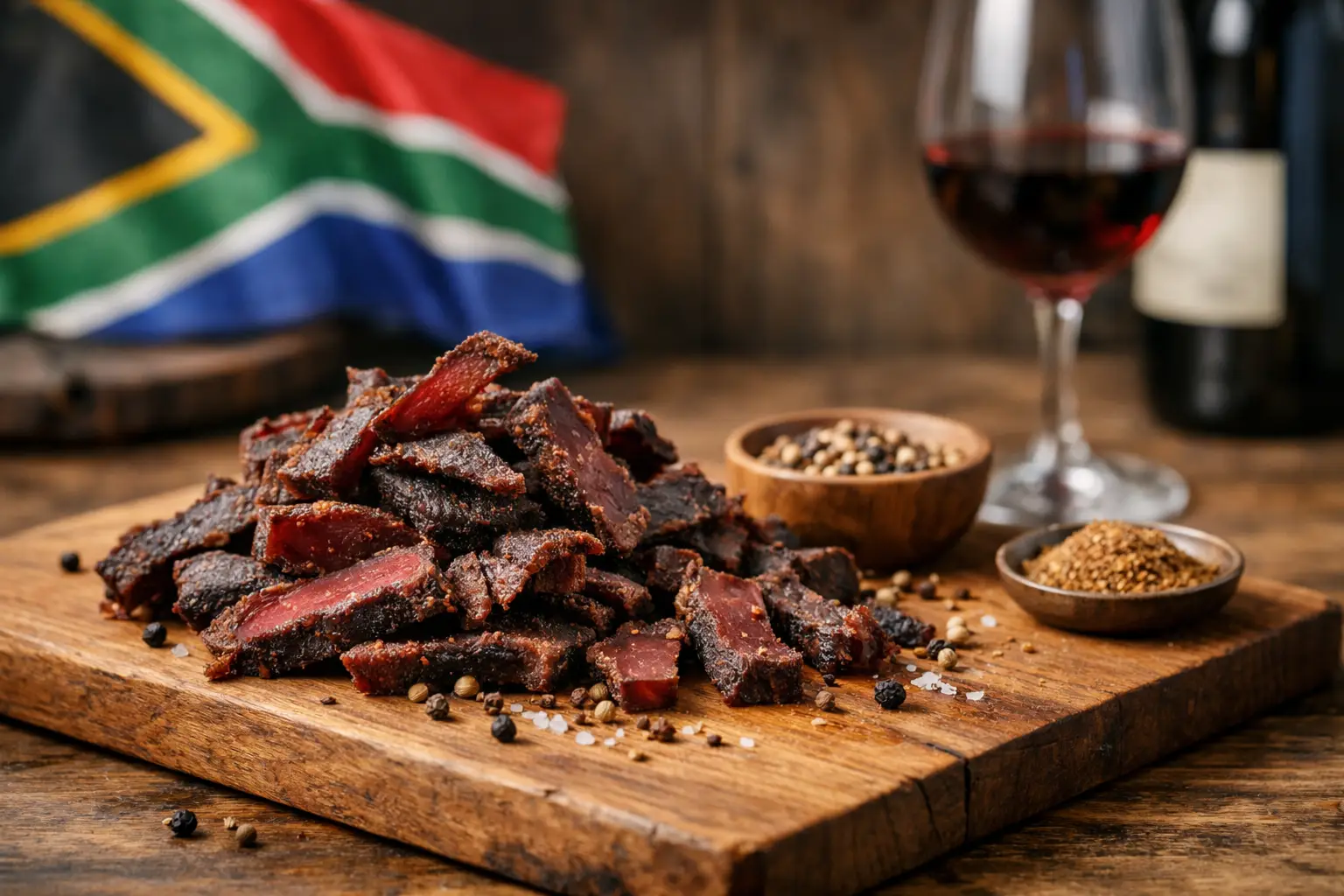
A proper piece of beef biltong should not need much of an introduction. The aroma of coriander, the savoury richness of quality beef and that unmistakable tender chew do the talking. For South Africans, it is a taste of home. For Australian snack lovers, it is a seriously lekker alternative to ordinary packets of jerky.
Biltong is not just dried meat with a fancy name. It is a South African tradition built on carefully selected beef, a distinctive vinegar-and-spice cure, patient air drying and a proper respect for texture. The result can be soft and moist in the middle, dry and firm at the edges, or sliced to suit your personal preference. That range is part of its charm.
Beef Biltong Starts With the Cut
Great biltong begins well before the drying room. The beef needs enough natural flavour to stand up to curing and drying, while remaining lean enough to produce a clean, satisfying bite. Different cuts can work beautifully, and each brings its own character.
Lean whole-muscle pieces tend to deliver the classic biltong experience: bold beef flavour, visible grain and a chew that feels substantial without becoming hard work. A little fat can add richness too, which is why some biltong fans actively seek out fatty pieces. Others prefer a leaner slice. Neither camp is wrong. It comes down to the kind of snack moment you want.
If you are packing something for the office drawer, a road trip, a school pick-up run or post-gym hunger, lean sliced biltong is an easy choice. If you are putting together a platter for a braai, drinks with mates or a weekend game, a mixed selection with a few richer pieces gives everyone something to reach for.
The South African Difference Is in the Cure
Biltong and jerky are often grouped together because both are dried meats. They are related in spirit, but the preparation and eating experience are noticeably different.
Traditional biltong is typically cured with vinegar, salt, cracked coriander and seasoning before it is air dried. That coriander is more than a background note. It gives biltong its recognisable warm, fragrant character, balancing the beef rather than burying it under sweetness or smoke. Depending on the recipe, pepper, chilli or other spices may add another layer of flavour.
Jerky is commonly marinated, often with sweeter sauces, then dried with heat. It can be excellent in its own right, but it generally has a different texture and flavour profile. Biltong tends to keep the focus on the meat, its savoury cure and the gentle tang of vinegar. It is less about a sticky glaze and more about honest, full-bodied beef flavour.
That is why a first-time biltong eater may be surprised by the texture. It is not meant to shatter like a crisp or pull like confectionery. Proper biltong has chew, but it should still feel enjoyable and natural to eat. Sliced thin, it can be tender and moreish. Cut thick, it becomes a slow, satisfying snack.
Drying Is Where Flavour Finds Its Depth
After curing, the beef is hung to dry in controlled conditions. This stage is where patience pays off. As moisture leaves the meat, the flavour concentrates and the exterior develops its familiar darker finish.
There is no single perfect dryness level. Some people want their biltong quite dry and firm, especially for a longer-lasting snack with a stronger chew. Others want it wetter, with a softer centre and a richer mouthfeel. The best choice depends on personal taste, how soon you plan to eat it and how you like your meat snacks.
A softer biltong is often the first piece to disappear from the bag. A drier cut can be ideal when you want something to nibble slowly between meetings, on the road or while watching the footy. The point is not to chase one universal standard. It is to find the cut and dryness that makes you reach back for another piece.
Why It Works So Well as an Australian Snack
Australians know good meat. From the backyard barbecue to the servo pie run, savoury snacks have a permanent place in local life. Beef biltong fits right in, while bringing something far more distinctive than the usual supermarket options.
It is convenient, flavour-forward and easy to share. You can keep a pack in the pantry for afternoon hunger, take it camping, add it to a cheese board or serve it alongside cold drinks when friends drop in. It also suits people looking for a protein-rich snack that feels less like a highly processed afterthought.
That said, biltong is still a cured meat product, so it is worth enjoying it with a little common sense. Salt levels, fat content and ingredients can vary between products and flavours. If you have specific dietary requirements, always check the product information rather than assuming every biltong is the same. Premium ingredients and traditional preparation matter, but so does choosing what suits you.
Choosing Biltong Worth Eating
The packet can tell you a lot. Look for a producer that is clear about what they make, where it is made and the style they stand behind. Genuine biltong should feel like a crafted meat product, not a generic snack dressed up with South African wording.
Freshness is a major part of the experience. Biltong that has been prepared with care retains its aroma and its satisfying beef character. When you open a pack, you want to notice savoury spice and real meat, not an overpowering blast of artificial smoke or sugary seasoning.
Texture matters just as much. Think about whether you prefer slices, chunks or sticks. Thin slices are easy to share and suit grazing. Chunkier cuts give you a bigger, meatier bite. Biltong sticks are handy when you are moving between errands, heading to training or need a no-fuss snack in the ute.
Flavour is the final call. Traditional seasoning is the place to start if you want the classic experience. Chilli brings a welcome kick for heat lovers, while peppery or garlic-led options can add variety without losing the biltong character. The best approach is simple: begin with traditional, then work your way through the range until you find your household favourites.
Getting the Most Out of Every Pack
Store unopened biltong according to the pack directions and keep it away from heat and direct sunlight. Once opened, reseal it well and follow the producer's storage guidance. Freshly made biltong is worth treating properly, especially in an Australian summer when a hot car or sunny kitchen bench can ruin a good snack fast.
Biltong is brilliant on its own, but it earns its place beyond the snack bowl. Add small pieces to scrambled eggs, fold it through a salad for a savoury lift or set it out with sharp cheddar, crackers and pickled onions. It also makes a cracking gift for the person who has everything except a decent stash of South African dried meat.
For expats, the right flavour can bring back a kitchen, a family gathering or a proper braai in seconds. For everyone else, it is an invitation to try a tradition that has lasted because it tastes genuinely good. That is the real appeal of biltong: heritage you can eat, without needing a special occasion.
At Steyn's Biltong & Jerky, handcrafted Sunshine Coast biltong brings that traditional spirit to snack breaks across Australia. Start with a flavour that sounds like your kind of lekker, open the pack when hunger hits and let the quality speak for itself.