Biltong Product Reviews That Help You Choose
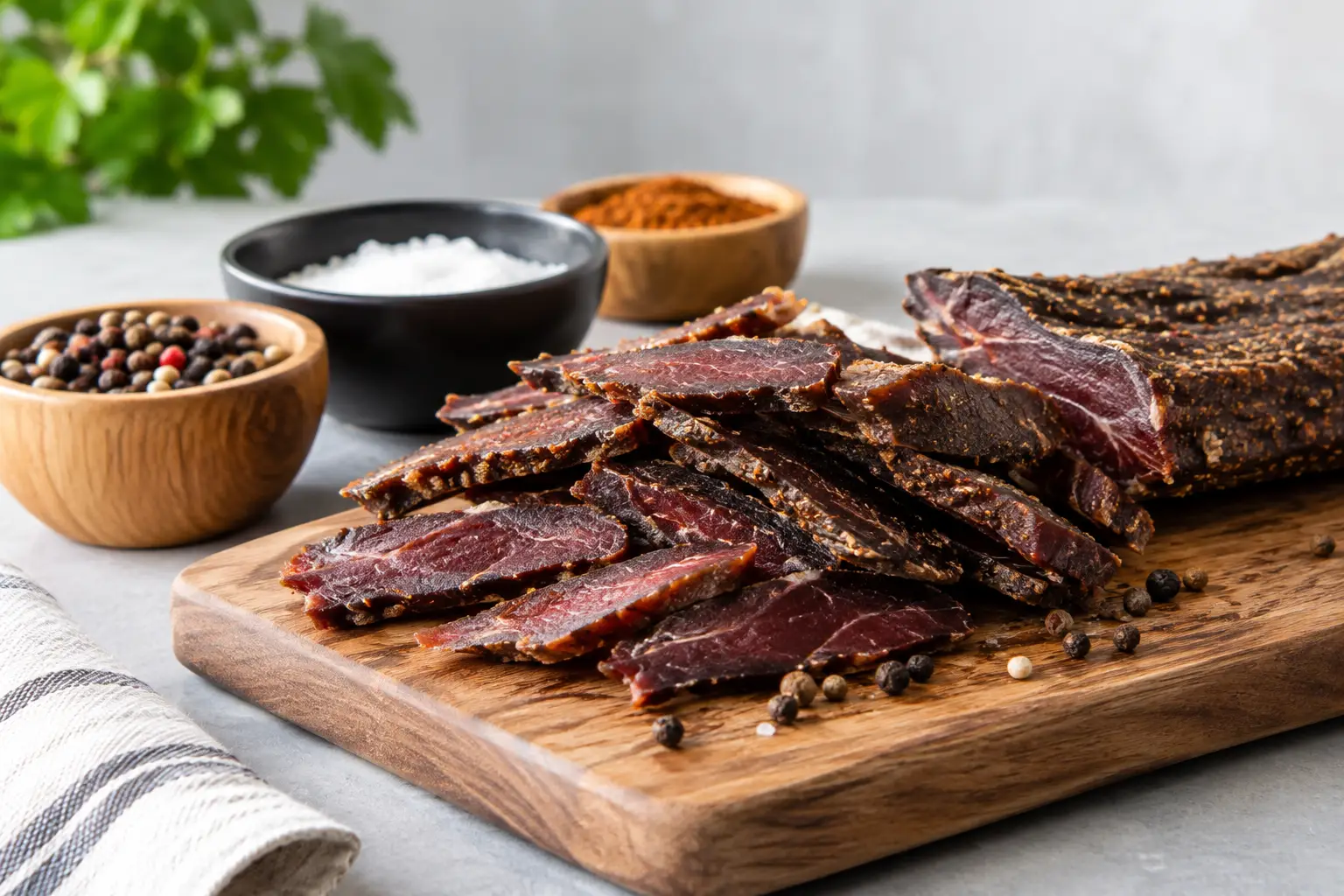
A five-star score is nice, but the best biltong product reviews tell you far more than whether somebody enjoyed a snack. They describe the cut, the texture, the spice level and whether the packet delivered that properly familiar South African flavour. For first-time buyers and homesick expats alike, those details are where the lekkerness lives.
A good review should help you picture the first slice before it arrives: savoury and beefy, gently spiced, sliced to suit the way you snack, and fresh enough to make the next handful hard to resist. Here is how to separate useful feedback from vague praise and choose a dried meat product you will genuinely want to order again.
Reading Biltong Product Reviews Beyond the Stars
Star ratings offer a quick signal, but they cannot tell you why a product worked for someone. One customer may love a soft, moist slice with a little fat, while another wants leaner pieces with a firmer chew. Neither is wrong. They simply have different ideas of the perfect bag of biltong.
Look for reviews that name the product and describe the experience. Comments such as “great flavour” are encouraging, but “rich coriander seasoning, neatly sliced and not overly dry” gives you something concrete to compare. The most useful reviewers mention how the biltong tasted, felt and travelled, not just that it disappeared quickly at a braai.
Pay attention to patterns rather than one dramatic comment. If several people mention generous flavour, reliable freshness or a texture they would order again, that carries more weight than a single review written in the heat of a disappointing delivery day. The same goes for criticism. Repeated notes about a product being too spicy, too wet or sliced too thickly may simply show that it suits a particular preference.
Texture is personal, not a scorecard
Texture is often the deciding factor in biltong reviews. Some buyers chase a softer, more tender centre. Others want a drier, firmer slice with a longer chew. A review that calls biltong “perfectly moist” may be a ringing endorsement for one household and a reason to select a drier option for another.
The helpful question is not, “Is this texture good?” It is, “Is this the texture I enjoy?” Read closely for terms such as tender, dry, chewy, soft, sliced thin or chunky. They reveal more about your likely match than a rating ever could.
Fat content also affects the eating experience. Reviews may celebrate the fuller flavour and softer bite of a fattier cut, while lean-cut fans often praise a clean, firm texture. If you are buying for a mixed household, choosing more than one style is often smarter than trying to make one packet please everyone.
Flavour comments should be specific
Traditional seasoning deserves more than a passing mention. Good biltong product reviews often talk about salt balance, vinegar tang, coriander, pepper and the depth of the beef itself. These are the details that distinguish a memorable South African-style product from a generic dried meat snack.
Be wary of reviews that treat “spicy” as a universal verdict. Spice can mean peppery warmth, chilli heat or a bold seasoning blend. If the reviewer says exactly what they noticed, you can make a better call. If they only write “too strong”, it may be useful feedback, but it needs context.
The same goes for jerky, droëwors and cabanossi. Each has its own character, and reviews should respect that. A jerky fan may want a pronounced glaze or smoke-forward finish, while a droëwors loyalist may be looking for the familiar snap, seasoning and satisfying savoury finish they remember.
What a Premium Review Should Mention
Premium is not just a label on the packet. In a worthwhile review, it shows up in the small practical details: whether the pieces are consistent, whether the seasoning feels balanced, whether the product tastes freshly packed, and whether the order arrives in good nick.
Freshness is particularly worth watching when you are ordering online. A reviewer does not need to use technical language to make the point. Notes about a satisfying aroma on opening, a product that was not brittle or stale, or a pack enjoyed straight away all paint a useful picture. So do comments about the packaging and delivery experience, especially for Australia-wide orders.
At Steyn’s Biltong & Jerky, handcrafted South African-style dried meats are made on the Sunshine Coast and sent across Australia, so customer feedback about freshness after delivery is especially useful. It speaks to the full experience, from the first order through to the last slice in the pack.
Reliable reviews also distinguish between an issue with a product and an issue with personal taste. “I prefer thinner slices” is useful and fair. “Bad product because I like thin slices” is less so. The best reviewers give future customers enough detail to decide for themselves.
Choose Reviews That Match Your Moment
The right product can depend on where, when and with whom you plan to enjoy it. A small bag for the desk drawer calls for something different from a sharing pack for a weekend drive, a gift box or a proper gathering with mates.
For everyday snacking, reviewers who mention portion size, resealing and how the product holds up after opening can be helpful. For entertaining, look for comments about crowd appeal, variety and whether the flavour lands with both South African regulars and curious first-timers. A product that wins over a mixed table is worth noticing.
Gift buyers should pay special attention to service comments. A premium present needs to arrive looking the part, and reviews about packing, dispatch and the condition of the order are every bit as relevant as flavour notes. For a South African mate, the most meaningful feedback may be a simple line such as, “Tastes like home.” That is not marketing fluff. It is a high standard.
Reviews from expats and newcomers both matter
South African customers often assess biltong against strong memories: a local butcher, family road trips, a favourite cut from back home. Their feedback can be brilliantly detailed on authenticity, seasoning and texture.
Newcomers bring another valuable perspective. If someone who normally reaches for supermarket jerky says they enjoyed the richer seasoning or distinct texture of biltong, that tells you the product has broad appeal. Read both viewpoints. One helps you judge tradition; the other helps you judge whether it will suit friends who have never had it before.
A Better Way to Compare Products
When several products sound good, compare like with like. Put reviews for sliced biltong beside reviews for sliced biltong, and keep jerky, droëwors and cabanossi in their own lanes. Otherwise, you risk treating a difference in style as a flaw.
Start with the flavour profile you are after, then use texture as the tie-breaker. If you already know you love coriander-led traditional seasoning, search reviews for that language. If texture matters most, prioritise buyers who explain whether the product was soft, dry, thick-cut or finely sliced. Finally, check recent feedback about packing and delivery, because an old review may not reflect the current ordering experience.
It also pays to read a handful of three- and four-star reviews. These are often the most honest and specific. A customer who loved the quality but found one flavour too peppery may give you a clearer picture than either a glowing one-liner or an angry complaint with no detail.
Trust Your Own Biltong Preferences
Reviews can narrow the field, but they cannot choose your favourite cut for you. The most satisfying orders usually come from knowing your own non-negotiables. Perhaps you want traditional flavour above all else. Perhaps you prefer a tender bite, a leaner cut or a little heat. Perhaps you want a few different packs so every person around the table has a clear favourite.
Treat strong reviews as signposts, not instructions. Start with the style that sounds closest to your taste, take note of what you would change next time, and build your own go-to order from there. That is how a great first packet turns into a reliably lekker staple.