Biltong Taste Test for Every Kind of Snacker
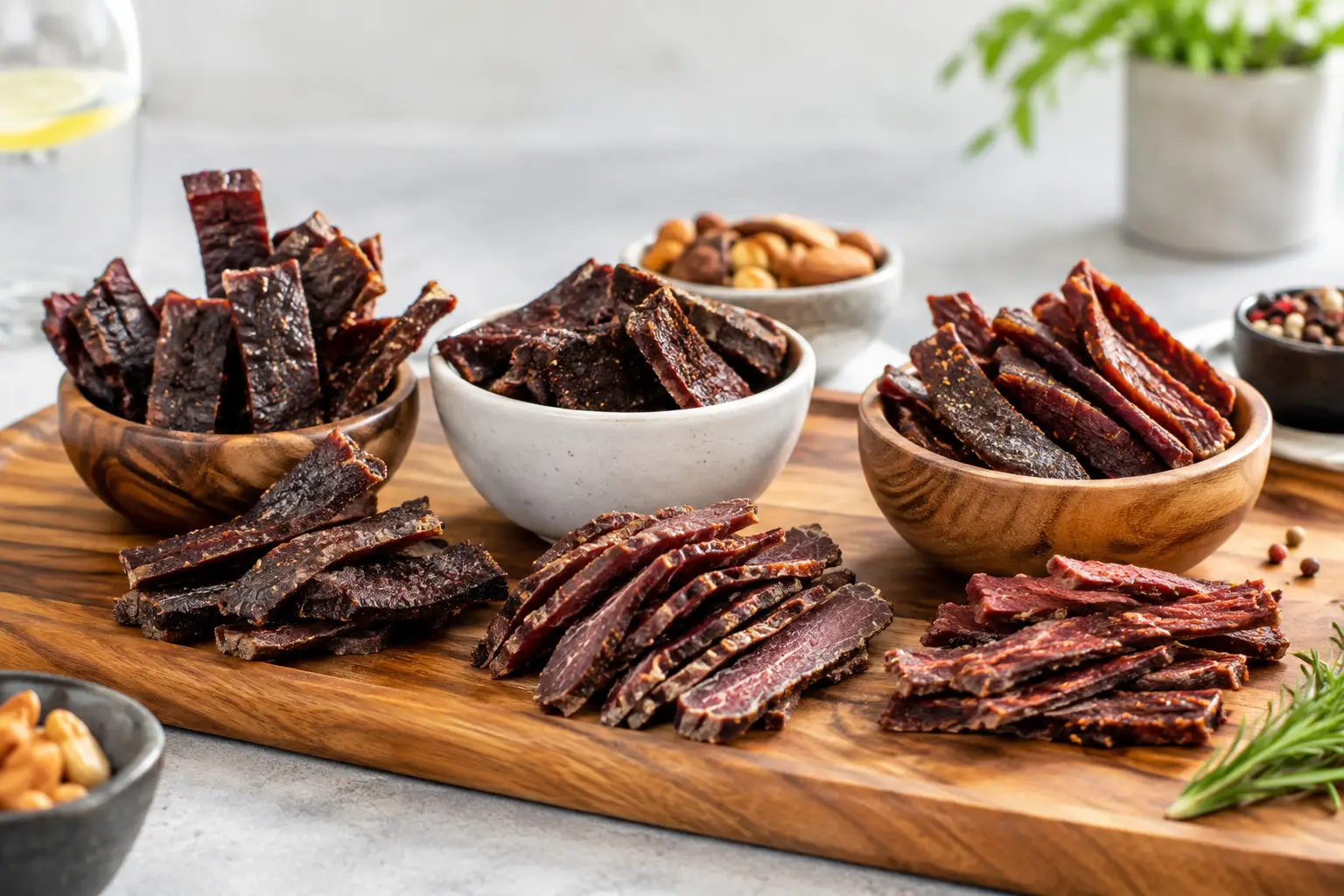
The first piece tells you plenty. Is it savoury before anything else? Does the spice sit comfortably in the background, or take over? Is the texture tender, chewy or properly firm? A good biltong taste test is not about finding one universal winner. It is about working out which combination of cut, seasoning and dryness delivers your kind of lekkerness.
For some, that means a soft, rich slice with a little fat through it. For others, it is a lean, dry strip with serious chew and a clean finish. South Africans can debate their preferred biltong for hours, and Australians discovering it for the first time quickly learn why. The details make the snack.
Set up your biltong taste test properly
Do not rush through a whole bag while answering emails, driving between errands or watching telly. Biltong deserves a minute of attention, particularly if you are trying a few varieties side by side. Put small portions on a plate, pour a glass of water or plain sparkling water, and taste each one before moving to the next.
Start with the mildest option and work towards stronger flavours. If you begin with chilli or a heavily spiced piece, a classic original seasoning can seem quieter than it really is. Give yourself a short pause between samples too. The salt, coriander, pepper and savoury beef character become far easier to pick up when your palate has not been steamrolled by the previous bite.
Temperature matters more than people expect. Biltong taken straight from a cool cupboard or delivered parcel can feel firmer and less aromatic at first. Let a portion rest briefly, then tear or slice it just before tasting. That first aroma should be inviting and meaty, with spice that smells purposeful rather than dusty or overly sharp.
Judge the cut before the flavour
A biltong taste test often begins with seasoning, but the cut determines much of the experience. Look at the grain, thickness and amount of fat first. Then take a smaller bite than you think you need. Biltong is concentrated in flavour, and a measured bite gives you a clearer read on texture.
Lean biltong for a clean, direct bite
Lean biltong usually brings a firmer chew and a focused beef flavour. It is the choice for snackers who want every spice note to come through clearly, without much richness hanging around afterwards. When it is sliced thinly, lean biltong can feel neat and easy to nibble. In chunkier pieces, it can become more assertive and satisfyingly chewy.
There is a trade-off. Very lean biltong is less forgiving if you prefer a softer bite, especially when it is on the drier side. But for people who like a traditional, no-fuss snack with a clean finish, it is often the first bag to disappear.
Fatty biltong for richness and depth
Fatty biltong has its devoted fans for good reason. A ribbon of fat changes the mouthfeel, carrying the seasoning differently and giving each bite a fuller, more luxurious character. It can soften the chew and leave a lingering savoury finish that makes you reach for another piece almost immediately.
This is not necessarily the best starting point for every first-timer. If you are accustomed to very lean meat snacks, the richness can be a surprise. Yet once you understand the appeal, properly balanced fatty biltong is hard to beat. It is especially brilliant when you want a more indulgent grazing snack rather than a quick handful between meetings.
Sliced, sticks or chunks?
The format can shift the tasting experience as much as the cut. Thin slices tend to feel more delicate and let the seasoning arrive quickly. Sticks provide a longer chew and a more substantial bite. Chunks are the boldest option, with more room for texture to reveal itself as you chew.
There is no correct answer here. Choose slices for easy sharing and casual grazing, sticks for a classic grab-and-go feel, and chunks when you want the biltong to be the main event. If you are comparing varieties, try the same format where possible. It is the easiest way to tell whether you prefer the flavour or simply the shape.
Taste the seasoning in layers
Classic biltong seasoning should not taste like a packet of generic barbecue flavouring. The best versions lead with savoury beef, followed by rounded seasoning and a finish that invites the next bite. Coriander is often part of that unmistakable South African profile, bringing warmth and gentle citrus-like fragrance rather than loud heat.
Original seasoning is your benchmark. Use it to decide whether you favour a more peppery edge, a little sweetness, extra tang or a straightforward traditional profile. Once you have a benchmark, stronger flavours make more sense.
Chilli biltong should bring warmth without burying the meat. The heat may creep in at the finish or land upfront, depending on the blend. Either can work, but balance is the test. If your mouth is still burning long after the beef flavour has vanished, the chilli is doing all the talking.
Peppered biltong offers a different kind of kick. It is aromatic, sharper and often more immediate than chilli. It suits snackers who enjoy a lively bite but still want the traditional seasoning to have its say. If you are serving a plate to a mixed crowd, original and peppered varieties make an excellent pairing, with chilli on the side for the brave oke who says they can handle anything.
Decide where you sit on dryness
Dryness is one of the most personal parts of any biltong taste test. Some people want their biltong moist and tender, with a yielding centre. Others want it dry, dense and built for a longer chew. Neither preference is more authentic. It comes down to the texture you enjoy and the moment you are eating it.
A wetter style tends to feel plush and rich, especially in fattier cuts. It is ideal when you want to slow down and savour a few generous pieces. A drier style gives you more resistance and can make the seasoning feel punchier. It is excellent for road trips, desk drawers and those moments when you want something with proper bite.
Try not to judge dryness by appearance alone. A dark outer edge does not automatically mean a dry centre, and a soft-looking slice may still have a firm chew. Taste it, notice how it breaks apart and pay attention to the finish. Does it feel balanced, or do you find yourself wishing it were softer or drier? That reaction is your answer.
Make the tasting social
Biltong is better when there is a little friendly disagreement around the plate. Put out two or three styles and ask everyone to name their favourite before revealing which one they reached for most. You will often find that the person who claims to prefer lean biltong keeps circling back to the richer fatty pieces, while the chilli lover surprises everyone by choosing classic original.
Keep the accompaniments simple so they do not crowd the tasting. Plain crackers, mild cheese and crisp apple slices can work, but they are supporting players. Avoid heavily flavoured dips, smoky sauces or anything aggressively sweet. The point is to give each biltong variety room to speak for itself.
For a proper South African-inspired spread, add droëwors and cabanossi after the biltong round rather than mixing everything together from the start. They each bring their own texture and spice profile. Tasting them separately makes the contrast far more enjoyable, and gives the table a reason to linger.
Find the bag you will actually reorder
The perfect biltong is not the one someone tells you to like. It is the bag that is gone before you have decided to put it away. Maybe that is classic sliced lean biltong for its clean, peppery snap. Maybe it is fatty chunks with a tender centre and all the savoury richness you were chasing. Perhaps it is chilli, because a quiet afternoon needs a bit of attitude.
That is the beauty of ordering from a specialist such as Steyn's Biltong & Jerky: you can taste with purpose, find your lane and come back for the style that feels like yours. Start with a small spread, take notes if you are serious, and let your next snack run be guided by the pieces you keep thinking about after the plate is empty.