Gluten Free Meat Snacks Worth Eating
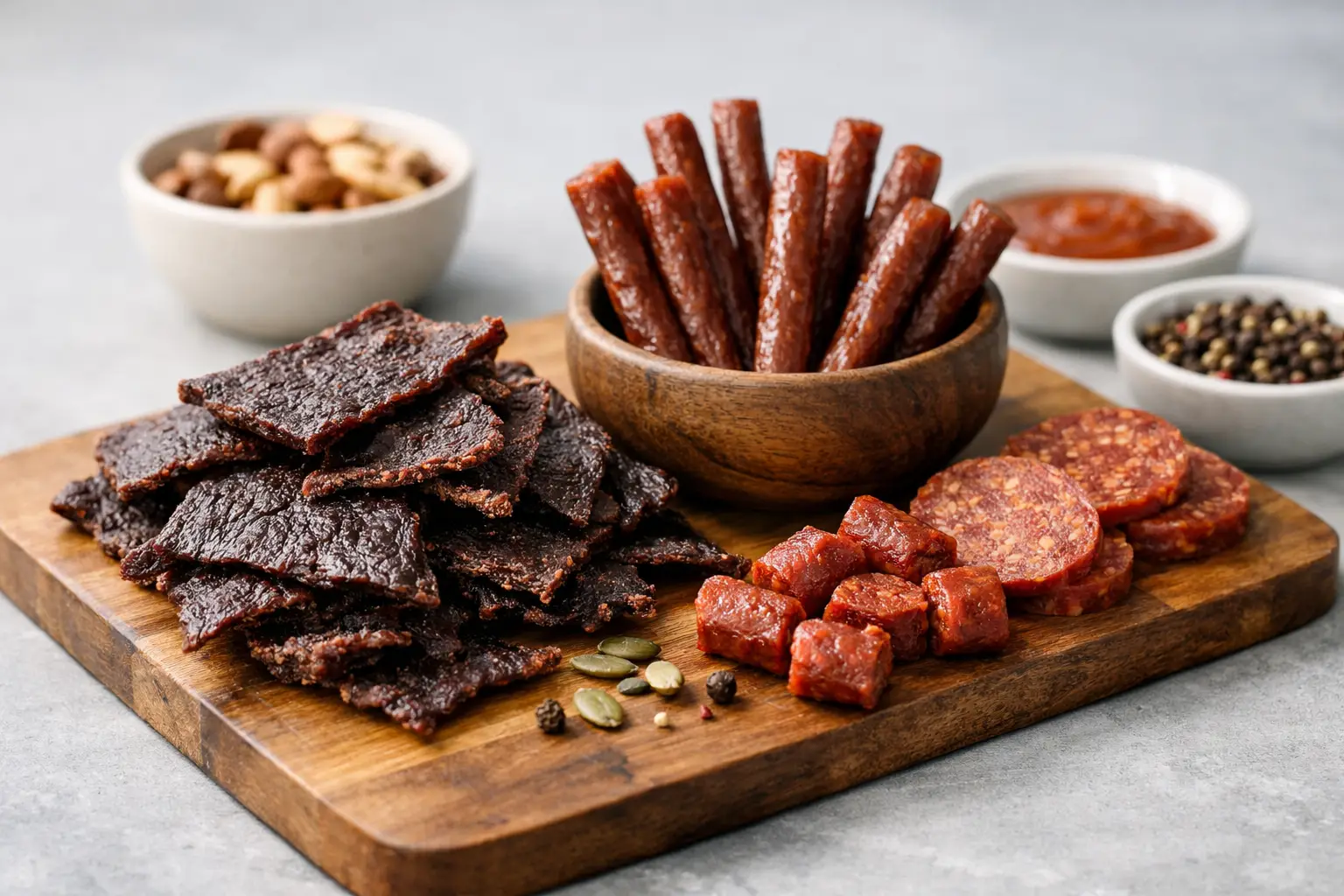
You can tell a lot about a meat snack from the first bite. If it tastes overly sweet, oddly sticky, or padded out with fillers, it is probably trying too hard. The best gluten free meat snacks do not need much theatre. They need quality meat, proper seasoning, careful drying, and flavour that holds its own.
That is exactly why this category matters to more Australians than ever. Some people avoid gluten because they have coeliac disease or a genuine sensitivity. Others simply want snacks with fewer unnecessary extras. Either way, dried meat can be a smart option - but only if you know what is actually in it.
Why gluten free meat snacks are not all the same
At a glance, meat snacks can seem naturally gluten free. After all, meat itself does not contain gluten. The catch is everything added around it. Marinades, soy sauce, spice blends, malt vinegar, thickeners, flavour coatings and processing methods can all change the picture.
This is where shoppers get caught out. A packet might look clean and protein-packed on the shelf, but the ingredient list tells a different story. One jerky can be beautifully straightforward. Another can be loaded with sugar, preservatives and wheat-based ingredients that have no business being there.
If you are shopping for gluten free meat snacks, the safest approach is not to assume. Check the ingredients, look for clear allergen information, and pay attention to how the product is made. A premium snack maker will usually be upfront about what goes in and why.
What to look for on the label
A good meat snack label should read like food, not a chemistry set. Beef, salt, vinegar, coriander, pepper, maybe a handful of other spices - that is the kind of simplicity many customers are after.
The first thing to check is whether wheat, barley, rye, or anything derived from them appears in the ingredients. Soy sauce is a common watch-out, because traditional soy sauce usually contains wheat. Some flavour blends can also hide gluten under vague terms like seasoning or spice extract. If the label is unclear, that is not a great sign.
It also helps to look beyond gluten alone. Plenty of meat snacks are technically gluten free but still heavy on sugar, smoke flavour, or artificial additives. If you want something premium, look for a product that keeps the ingredient list short and lets the meat do the talking.
Biltong vs jerky - the difference matters
Not all dried meat is made the same way, and that affects both flavour and ingredients. Jerky is often marinated and heat dried. Biltong is traditionally air dried and seasoned more simply, often with vinegar, salt and spices. That difference is one reason many people find biltong more appealing when they want a cleaner, less sugary snack.
Jerky is not automatically a poor choice. There are excellent jerkies on the market. But many mainstream versions lean heavily on sweet marinades and sauce-based flavouring, which can increase the chance of gluten sneaking in. Biltong, especially when made in the traditional South African style, often starts from a more straightforward recipe.
The texture is different too. Good biltong is tender, rich and savoury, with a natural chew rather than that lacquered, overly processed feel some jerkies have. If you are after handcrafted quality and proper meat flavour, that distinction is not small.
Why traditional dried meats often suit gluten-conscious shoppers
Traditional methods tend to favour simpler ingredients. That is one reason South African dried meats have earned such a loyal following. Biltong and droëwors were never meant to be sugary novelties. They were made to preserve good meat properly and deliver serious flavour.
When a producer sticks close to that tradition, the result can be a strong fit for people seeking gluten free meat snacks. You are more likely to get honest ingredients, balanced seasoning and a product that feels like real food rather than a processed compromise.
That said, tradition on its own is not a guarantee. Every producer has their own recipe and process, so it still pays to check. The best brands combine authenticity with clear ingredient standards and careful production.
The appeal goes beyond gluten
Many customers start by searching for gluten free options, then stay for the quality. That makes sense. A well-made meat snack covers a lot of ground at once. It is high in protein, easy to keep on hand, and satisfying in a way chips or sugary bars rarely are.
It also suits real life. Toss it in your work bag, keep it in the glove box, pack it for a road trip, stash it in the pantry for those late-arvo snack attacks. Premium dried meat earns its place because it is practical and proper lekker.
For fitness-focused buyers, the attraction is obvious. For busy families, it is convenience without the rubbish. For South African expats, there is something else in the mix - flavour that tastes familiar, comforting and true to home.
How to choose better gluten free meat snacks
The smartest buy usually comes down to three things: ingredients, method and maker. Start with ingredients you recognise. Then think about how the product is prepared. Air-dried meats with traditional seasoning often keep things cleaner than heavily marinated alternatives.
Finally, consider who is making it. A specialist producer with pride in the craft tends to care more about consistency, flavour and transparency than a generic mass-market brand. That does not mean every small producer is perfect and every large producer is poor. It means the details matter, and premium makers usually make those details easy to find.
Freshness matters as well. Dried meat should still taste alive - savoury, aromatic and balanced. If it is brittle, stale or aggressively flavoured, quality may have slipped somewhere between production and packet.
Common pitfalls to avoid
The biggest mistake is assuming all meat snacks are naturally safe for a gluten-free diet. They are not. Another trap is being distracted by front-of-pack claims while ignoring the ingredient list. Words like natural, high protein or gourmet can sound promising, but they do not tell you whether gluten is present.
Price can be misleading too. Cheap meat snacks are often cheap for a reason. Lower-grade cuts, more sugar, more fillers and more aggressive flavouring can all mask average quality. Paying a bit more for handcrafted product usually gets you better meat, better texture and a cleaner eating experience.
There is also a personal taste factor. Some people prefer softer slices. Others like a firmer chew. Some want bold chilli, while others chase the classic coriander-and-vinegar profile. The right snack is not just about what it avoids. It is about what you actually want to eat again.
Where biltong fits in
If you have been disappointed by sticky supermarket jerky, biltong is worth a proper look. Traditional biltong keeps the focus where it belongs - on the meat. It is rich without being fussy, satisfying without being heavy, and full of character without relying on sugar to do the lifting.
For Australians who want premium gluten free meat snacks, that balance is a big part of the appeal. You get convenience, protein and shelf-friendly practicality, but you also get craftsmanship. That matters. Snack food should still feel like food.
At Steyn's Biltong & Jerky, that South African approach is part of the point. Handcrafted dried meats, made locally on the Sunshine Coast, give customers the authentic flavour they are after with the freshness and convenience they expect.
A better snack should earn its place
There is no shortage of snack options in Australia, and most of them are forgettable. The better ones do not shout. They deliver. If you are choosing gluten free meat snacks, look for clean ingredients, genuine meat flavour and a maker that respects the craft.
When that all comes together, you get more than a quick bite between meals. You get a snack with substance, heritage and plenty of lekkerness - the kind worth keeping in the pantry, the desk drawer and the weekend getaway bag.