Wet Versus Dry Biltong: Which Cut Is for You?
That first slice tells you everything. It might be tender with a deep, savoury centre and a little give under the teeth. Or it might be firmer, darker and built for a slower chew. When it comes to wet versus dry biltong, neither is the "better" choice. The right one is the biltong that suits the way you like to snack.
For some, properly wet biltong is a non-negotiable taste of home. For others, a dry slice with a peppery edge is the real deal. Both have their place in a serious biltong order, and knowing the difference means you can choose with confidence rather than hoping for the best when the bag arrives.
Wet versus dry biltong comes down to the bite
The biggest difference is moisture, but that only tells part of the story. Moisture changes the texture, the way flavour lands on the palate and even how you enjoy each slice.
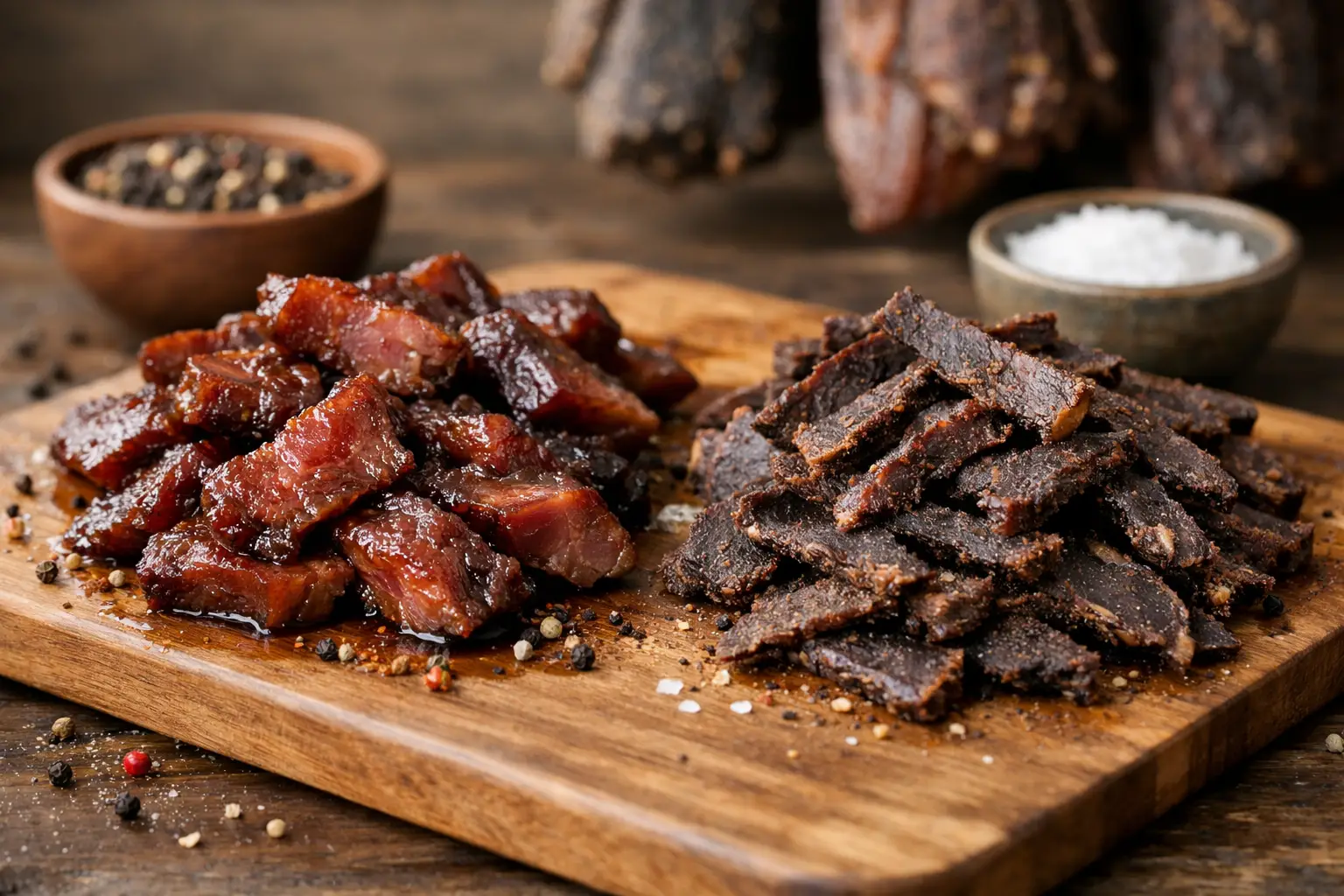
Wet biltong has a softer, more yielding bite. The centre is noticeably moister, often with a rich, meaty character that feels full and immediate. It is the sort of biltong that can disappear quickly when the bag is open on the kitchen bench, at a braai or during the cricket. If you like slices that feel tender rather than chewy, wet is likely your lane.
Dry biltong has less give and a firmer chew. The flavours can feel more concentrated because the texture asks you to slow down and work through the slice. A well-seasoned dry cut lets the beef, coriander and pepper notes hang around a little longer. It is satisfying without being fussy - ideal for those who prefer a more traditional, substantial chew.
Neither style should be confused with being stale or overly hard. Good dry biltong still needs character and balance. Likewise, good wet biltong should feel tender and rich, not sloppy or uneven. Handcrafted biltong is about control: bringing out the preferred texture while keeping the signature South African flavour front and centre.
Choose wet biltong when tenderness is the point
Wet biltong is for the snacker who wants a soft, luxurious slice. It is often the first choice for people who enjoy biltong straight from the bag and want that unmistakable, juicy centre.
Its texture also makes it a brilliant option for sharing. Put out a bowl of wet slices and people tend to return for another piece, then another. It has an easy, moreish quality that works beautifully with a cold drink, a road-trip stop or a Friday afternoon catch-up with mates.
Flavour-wise, wet biltong generally feels rounder and meatier. The seasoning is there, but the softer texture gives the beef plenty of room to shine. If you are introducing a mate to proper biltong for the first time, wet slices are often a winning place to start. They are approachable, generous and unmistakably different from standard supermarket meat snacks.
There is a practical trade-off. Wet biltong is best chosen by people who genuinely love that softer finish. If your ideal snack is something you can nibble slowly while working, driving or watching the footy, you may find a drier style more satisfying over time. The answer is not wet by default. It is wet when tenderness is what you are chasing.
The case for a wet whole piece
A wet whole piece brings a little ritual to snack time. You choose the thickness, slice it as you go and decide whether you want broad ribbons or small bite-sized pieces. Thick-cut wet biltong is particularly generous, giving you a soft outside and a distinctly moist middle.
It is also a great choice when you are putting together a platter. Slice it just before serving and let the texture do the talking. No need to overcomplicate a good piece of biltong.
Choose dry biltong for a firmer, fuller chew
Dry biltong is the dependable favourite for people who like more resistance in every bite. The slice is firmer, the seasoning often feels sharper, and the experience lasts longer. It is not trying to be tender steak. It is proudly biltong.
A dry cut suits the person who likes to keep a bag nearby for a proper snack between meetings, out on the road or while packing for a weekend away. It is tidy to eat and easy to portion, especially when you want a few slices rather than a whole handful.
The drier finish can also suit bold seasoning particularly well. Pepper has more presence, coriander can feel warmer and the savoury notes become more pronounced as you chew. If your favourite part of biltong is that lingering, spice-led finish, dry may be the better match.
Some South Africans will tell you dry biltong is the only answer. Others would never give up the tender centre of a wet slice. Both camps make a fair point. Biltong preferences are personal, often shaped by family habits, favourite butchers and the particular texture you grew up reaching for.
Dry does not have to mean thin
Thickness and dryness are related, but they are not the same thing. A thick slice can still be dry enough to provide a firm chew, while a thin piece can retain plenty of softness. That is why it helps to pay attention to both the cut and your preferred moisture level when ordering.
If you are unsure, choose a mix across your order. A wet whole piece gives you the full slice-at-home experience, while dry sliced biltong covers the easy-grab moments. Once you have tried both side by side, your preference becomes very clear.
Think about the occasion, not just the label
The best choice often changes depending on where the biltong is headed. A wet piece feels right when you are at home, building a platter or settling in for a relaxed afternoon. Dry biltong is a strong choice when you want a more portable, longer-lasting chew during a busy day.
For a gift, variety is often the smart move. A person who already knows biltong may have a very firm opinion about wet or dry, but a mixed selection gives them the pleasure of comparing both. That is half the fun of proper biltong - discovering how a small change in texture can completely shift the experience.
If you are ordering for a household, consider the personalities involved. The tender-slice fan, the pepper lover, the traditionalist who wants it dry, and the person who will quietly finish whatever is left in the pantry all deserve a say. Keeping more than one style on hand prevents needless biltong politics.
How to find your personal favourite
Start with the texture you instinctively enjoy in other savoury snacks. Do you prefer a soft, rich bite that is ready to enjoy immediately? Go wet. Do you prefer something with structure, chew and a more concentrated finish? Go dry.
Then consider cut. Whole pieces make sense if you enjoy slicing biltong to your own preferred thickness. Pre-sliced options are made for convenience, whether you are portioning snacks for the family or simply avoiding the temptation to cut half the piece in one go.
Finally, be open to changing your mind. A wet slice can be exactly right one day, while a dry, peppery bite is the only thing that hits the spot the next. There is no rule saying you have to pledge allegiance to one camp.
At Steyn's Biltong & Jerky, that is the kind of choice worth having: handcrafted South African-style biltong made for the texture, flavour and proper lekkerness you fancy. Pick the finish that suits the moment, open the bag, and let your taste buds settle the wet versus dry debate.